

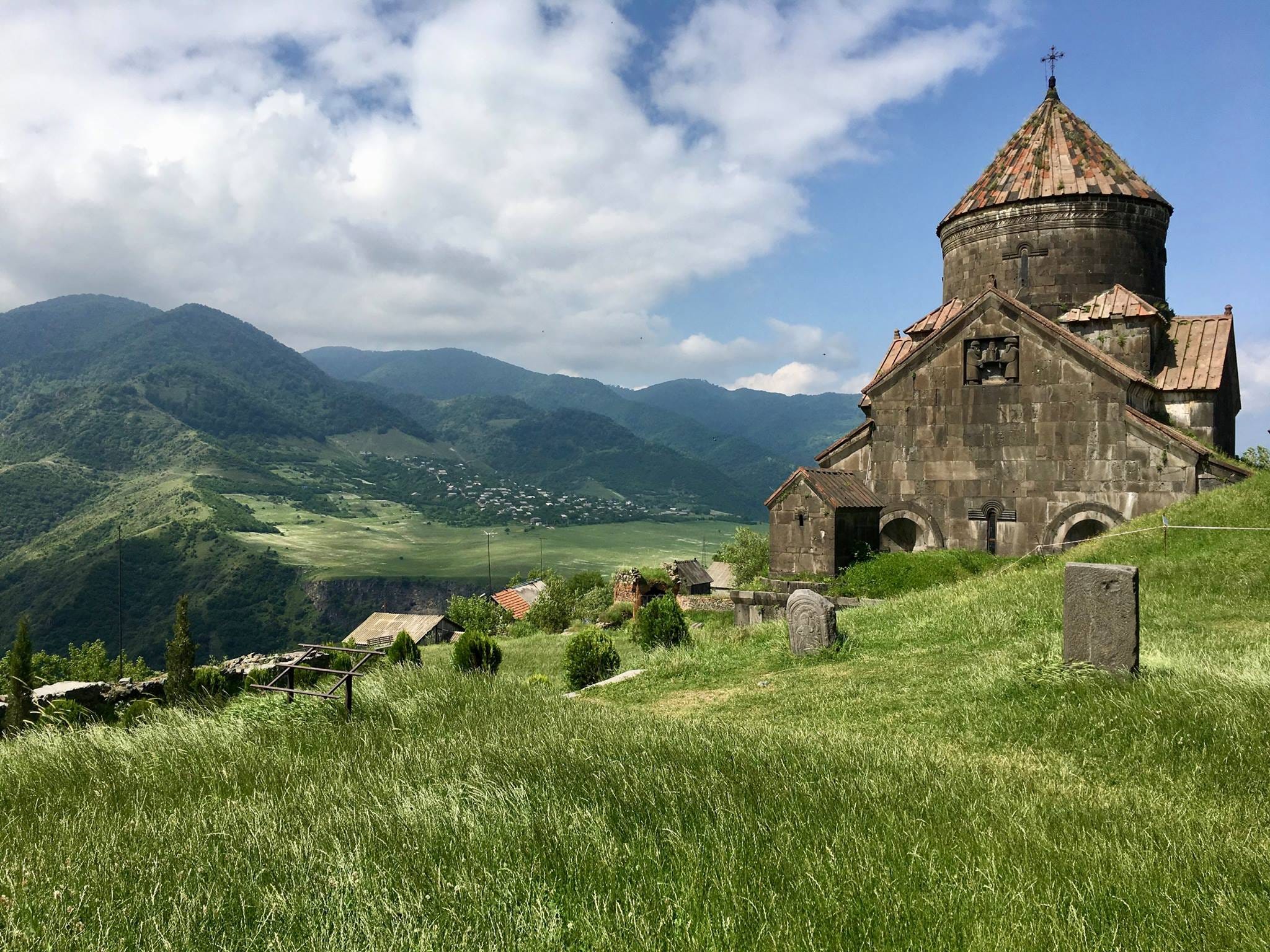
A monastery in northern Armenia
Although this blog focuses on it, I simply don’t have a lot to say about Taiwanese politics these days. This is partly because my travel writing side hustle is picking up which requires a lot of creative energy, and partly because I’m planning something big for myself next year that’s taking up most of my brainpower. Those of you who’ve followed me for awhile know that I’m learning three languages simultaneously, with a focus on Armenian and Taiwanese. I’m always working on actively improving my Mandarin, so I count that as the third language.
Taiwanese lessons are important to me because speaking it makes me feel closer to the culture, and honestly, when I use it people do treat me differently. I’m not very good at speaking it as my lessons are mostly Audiolingual: I’m very good at translating sentences but rather bad at coming up with original statements of my own. There is also a great deal of vocabulary in the Maryknoll series that is simply useless to me in a contemporary speaking context, from the difference between a pastor and a priest to words like “fountain pen” and “cassette player”.
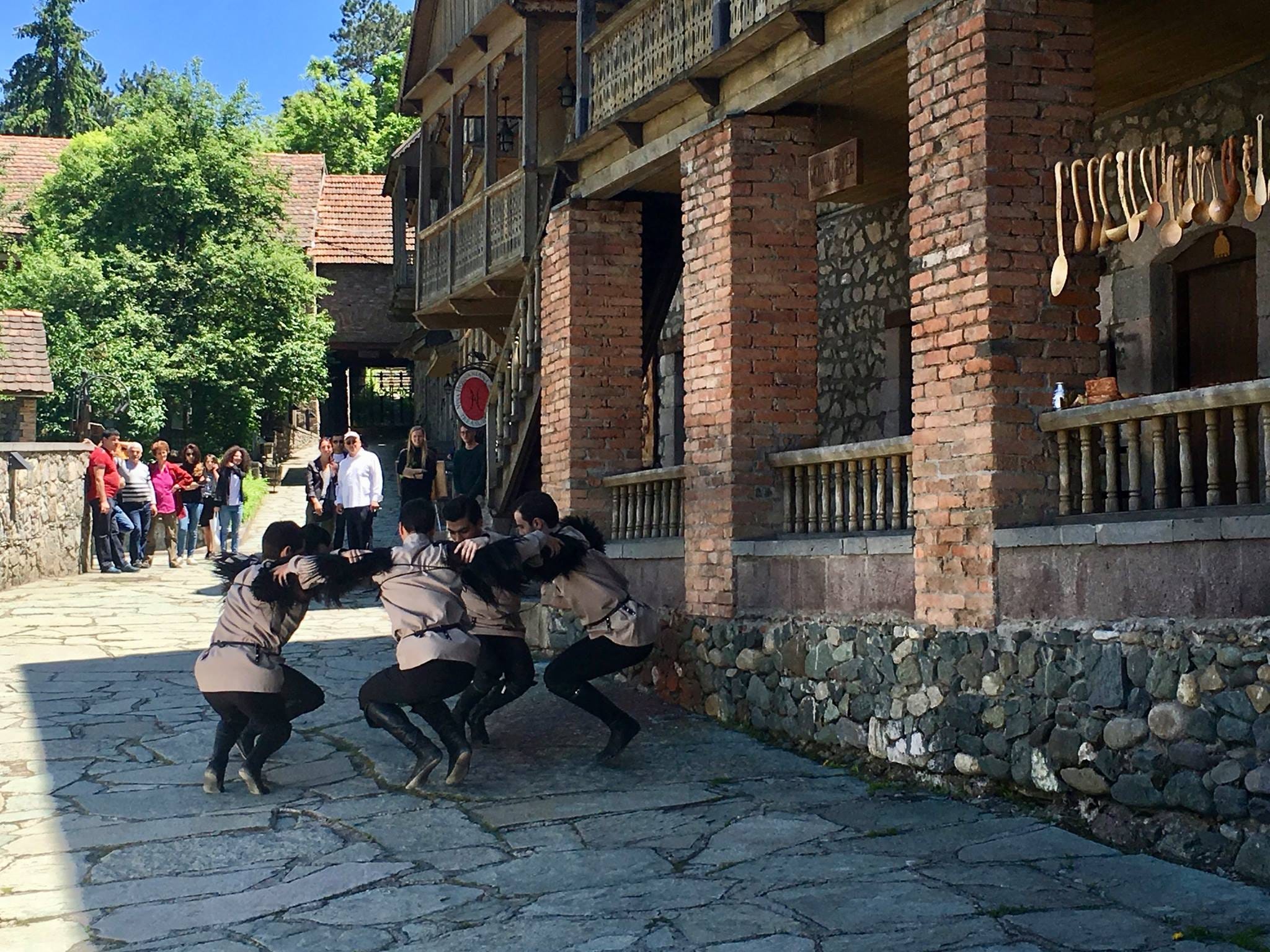
Dancers making a video in Dilijan
Armenian is a different animal entirely. I decided to learn it because my mother was Armenian; she never taught me how to speak it because her father never taught her. That was intentional on his part: he moved to the US at the age of 11 and decided to transform into Johnny Apple Pie, using Armenian only with his older family members and raising his kids as English speakers who had no need for their father’s native tongue. Even his siblings, who retained more of a heritage connection, neglected to teach their children.
As a result, nobody in my generation or even my mother’s generation speaks Armenian. I figured somebody had to learn, and as the resident weirdo, it would have to be me. No one else was interested enough to actually take that step.
I’m a better speaker than I ought to be in Armenian, because most of my “lessons” involve me attempting to communicate. My teacher can’t really explain grammar, so I either have to look it up, or absorb it naturally. This is a slow process, but produces a surprising degree of automaticity in speaking (a concept in fluency where retained language items can be quickly recalled and used with little or no hesitation).
I have no such automaticity in Taiwanese, but perhaps it will come with time. This may sound arrogant, but I do sometimes reflect on the likelihood that I am the only person in the world who is learning both Armenian and Taiwanese. (There are probably Armenian speakers attempting to learn Mandarin; it’s far less unique. My tutor says she knows Armenians who regularly go to China for business because they own import/export companies).
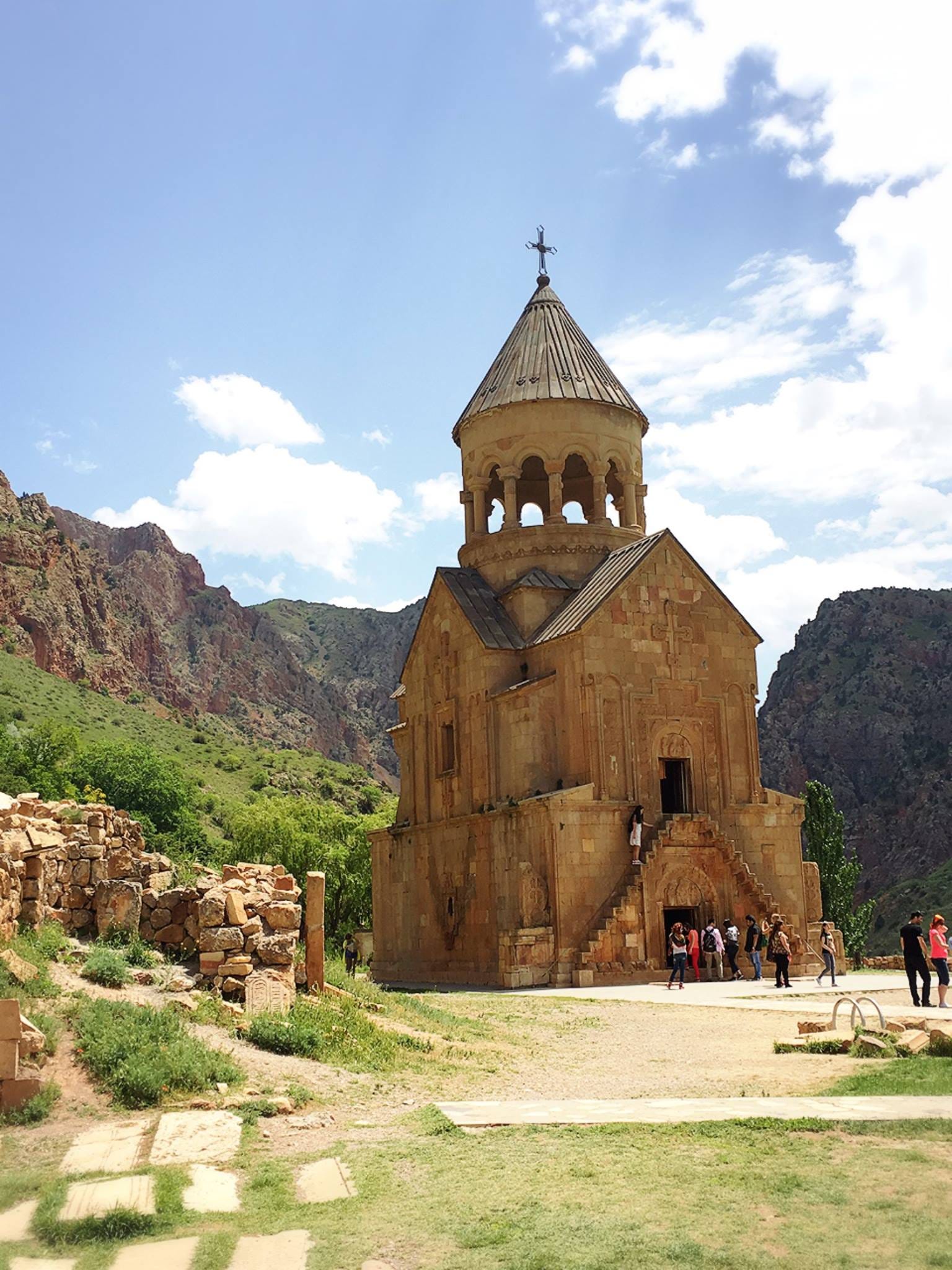
A monastery (I believe it’s Noravank)
If there’s another one of you out there, please do get in touch. We have something in common!
These forays into language learning have me formulating a plan: I want to spend something close to the equivalent of a semester in Yerevan, focusing on improving my Armenian through daily immersion. I’ll surely improve if I have to use it every day at markets, cafes and with people I meet. I can meet my tutor in person. I’ve been to Yerevan and liked it; it’s a place I could live for a short period and enjoy myself, and I can just about swing it financially if I keep my online classes going in Taiwan. Perhaps not for a semester, but three months would be doable.
Now that my cat has passed away, I can start making plans in a way that I couldn’t when we needed to spend US$500 a month to literally keep his heart going. I want to spend mid-March to mid-June in Yerevan. I might even keep up my Taiwanese lessons, if I can afford it. If anything, it’ll keep my brain flexible.
I consider this something of a controlled explosion. I don’t want to demolish or implode my life, because despite some career disappointments, it’s pretty good as it is. But I need to do something totally different for awhile, and soon — I don’t function well without a massive goal or adventure providing a curve of purpose in my life. A ‘next thing’ to look forward to. That purpose doesn’t have to change the world, because I probably can’t, but it does have to mean something to me.
I’ve just written a lot of paragraphs on language learning, but what I really wanted to talk about in this post is how we define success. That’s because to me, this opportunity to go to another country to basically play around in one of my second languages for awhile is one sign that, despite so many indications to the contrary, that I am leading some form of a ‘successful’ life.
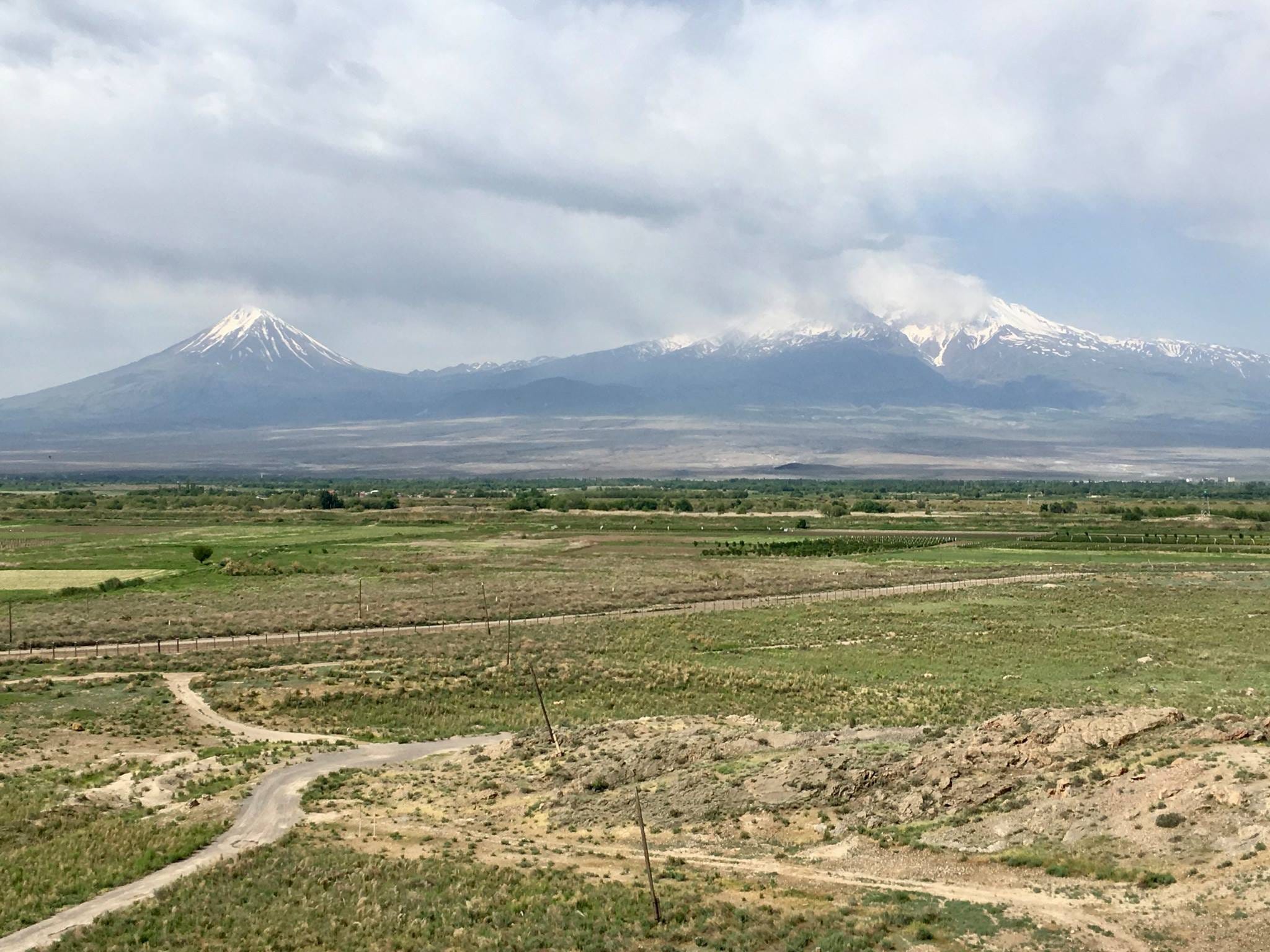
Mount Ararat from Khor Virap
As an immigrant in Taiwan who didn’t choose a corporate career path, I feel that traditional measures of success don’t apply so easily. You know, the ‘dream’ of homeownership, some kids, maybe a car, a well-remunerated and upwardly mobile career. How can I own a home when even the banks that will offer mortgages to foreigners have such crappy terms? Why would I want a car when I live downtown? Children are a matter of personal choice, and I did not choose to have them. I chose flexibility, freedom and creativity over a 9-5.
So, I rent and I’m not rich. I’d wager that most of my students in Taiwan earn more than I do. At my age my parents had one kid in college (me) and one in junior high. They had two cars (though one was a beater) and owned their own home. I would say honestly that we were middle-class, but struggled to stay that way. Vacations were to a beach within driving distance; we took one family holiday abroad, for a wedding. I did hear my parents talk tensely about money, and I don’t know how they afforded that one short trip to Europe.
Am I successful against that metric, or not? I genuinely don’t know. I am pretty sure that when they were my age, they earned more than we do, but we live in Taiwan where the cost of living is lower. They were also my age in the 1990s, when the same amount of money could buy more. I don’t even know exactly what they made, as I was raised with an unhealthily avoidant relationship to money that I’ve worked hard to overcome. In other words, they didn’t like to talk about it, so I had “not talking about it” unintentionally inculcated at a young age.
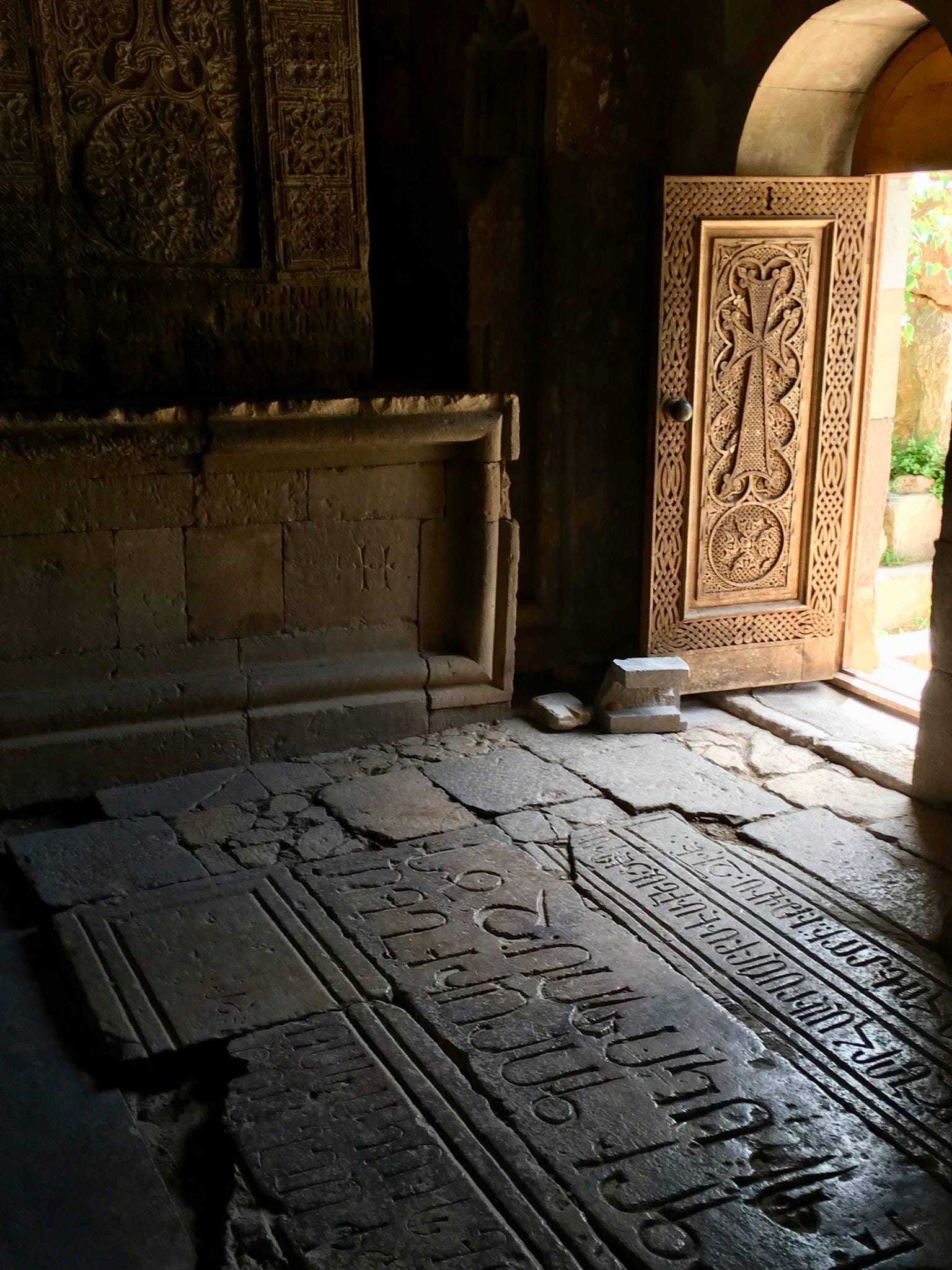
The interior of a monastery
But they did raise two children and buy a house with whatever money they had, and I…haven’t done that. I suspect they intended to retire at a reasonable age. Like many in my generation, despite having savings, I have no idea how or whether I will retire. I don’t understand how it could be financially feasible to do so. I know I’m not the only one.
You know what they didn’t do, though? What they probably couldn’t have afforded to do? Pay two language teachers just for the fun of learning. They certainly would never have been able to contemplate, let alone plan, a three-month trip to some random country like Armenia simply because they wanted to learn its language. I suspect my mom might have liked to, but she never did, and I doubt it would have ever been feasible.
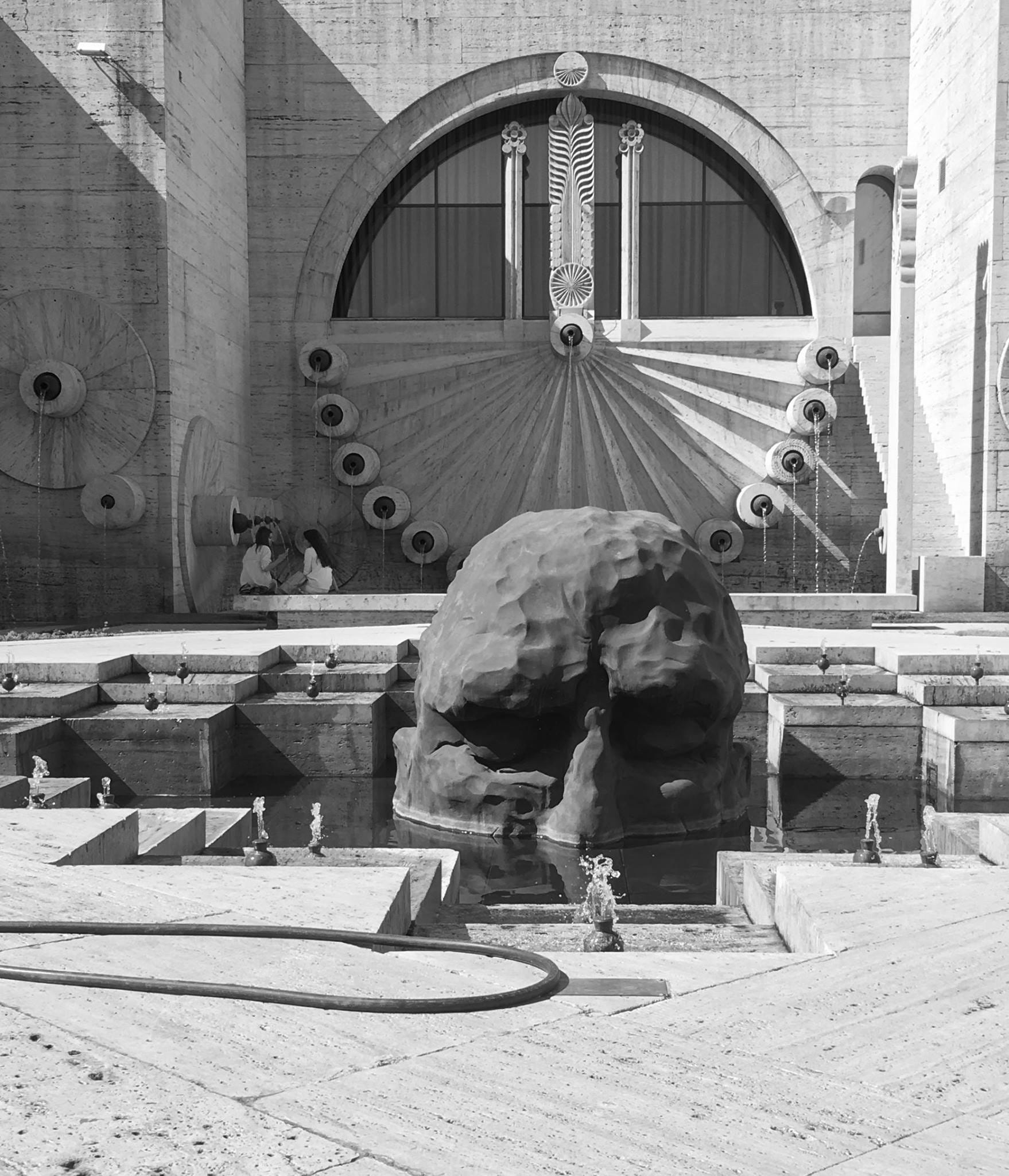
The Cascade in Yerevan
I’ve done other things that are markers of success, too. My mom always wanted to see the world. In the end, she made it to Canada, France, England and Japan. She had wanted to go to Armenia, or perhaps our actual ‘hometown’ in southern Turkey. In the end, she didn’t make it to either place.
I’ve been to approximately 55 countries. This year is an odd one, because I probably won’t visit anywhere new, and yet I went to Vietnam for the second time and will get three days in Istanbul in August, also for the second time. I’m also going to the United States, but I barely count that as travel; that’s family obligation. Does that make me more successful, or am I trading retirement later for travel while I’m relatively young?
(This is a rhetorical question. Even if we’d saved everything we’ve spent on travel since we got married in 2010, it still wouldn’t be enough for retirement.)
In terms of preferences, it’s not just in having children where my parents and I have differed. I chose to leave the US entirely and immigrate to another country. My mom used to say that being an ‘expat’ sounded nice, but I suspect she really was thinking of those upper-class folks for whom an employer takes care of everything, and who typically don’t intend to stay forever in the country where they’re posted. I don’t think the notion of being an ‘immigrant’ ever crossed her mind.
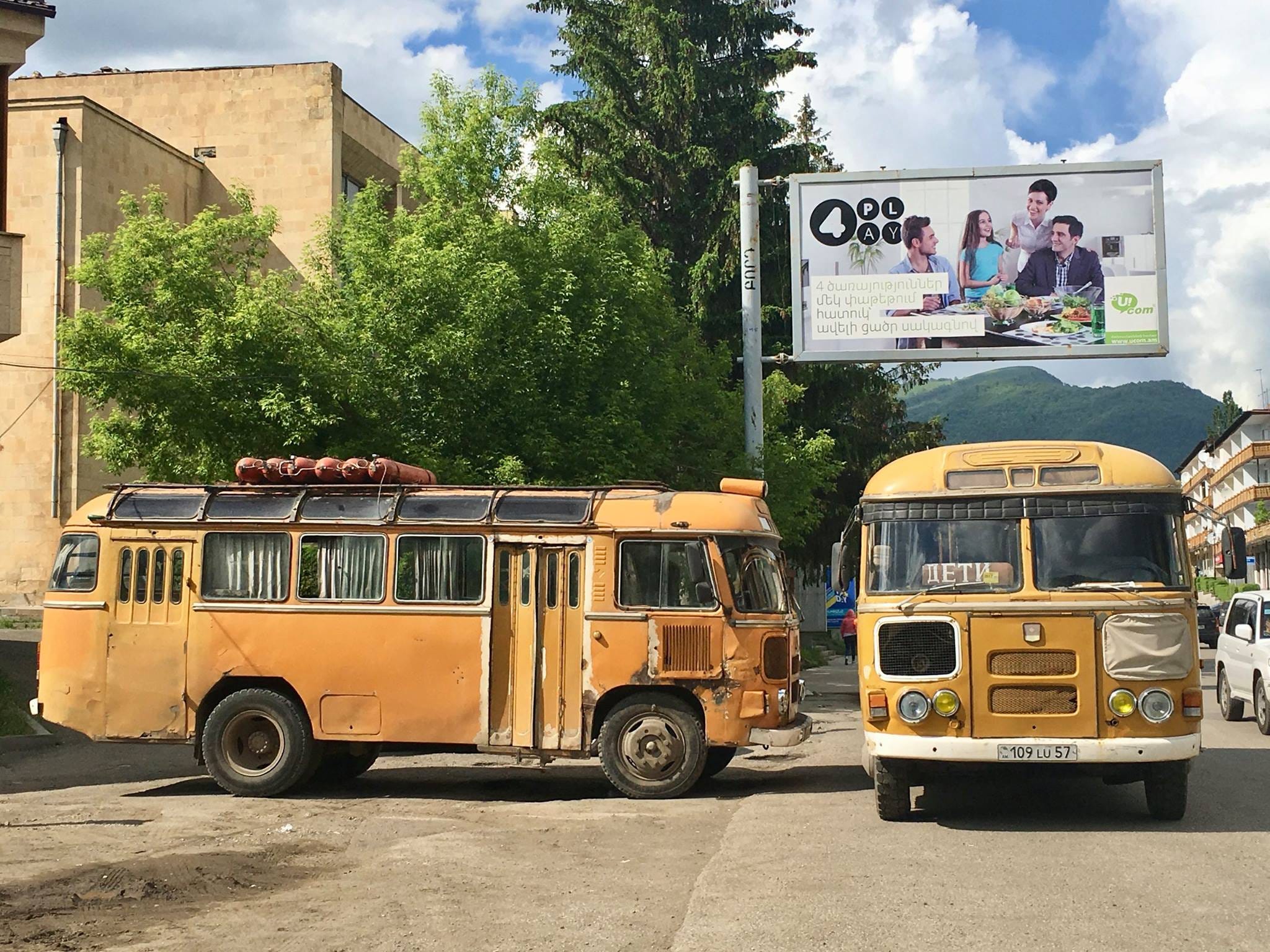
Somewhere in small-town Armenia
I also choose to live downtown in an apartment I could never, ever afford to buy (also a moot point because I can’t afford to buy any apartment in the Taipei area in the current market, and would struggle to get a mortgage even if that weren’t true). They were able to buy a house because they chose a small town. They owned cars because they had to, and I don’t think they ever considered a life where it wouldn’t be necessary.
Career-wise, I never quite got the boost to full-time teacher training that I wanted, and I’ve been hoping, somewhat unsuccessfully, to pivot to learning design. It’s not that I don’t enjoy teaching, it’s just nothing new. It also doesn’t pay well enough (at least not as well as teacher training). I’m sad to say there are almost no teacher training opportunities in Taiwan now — they’ve slowly disappeared since the pandemic — and I’m deeply disappointed to know that.
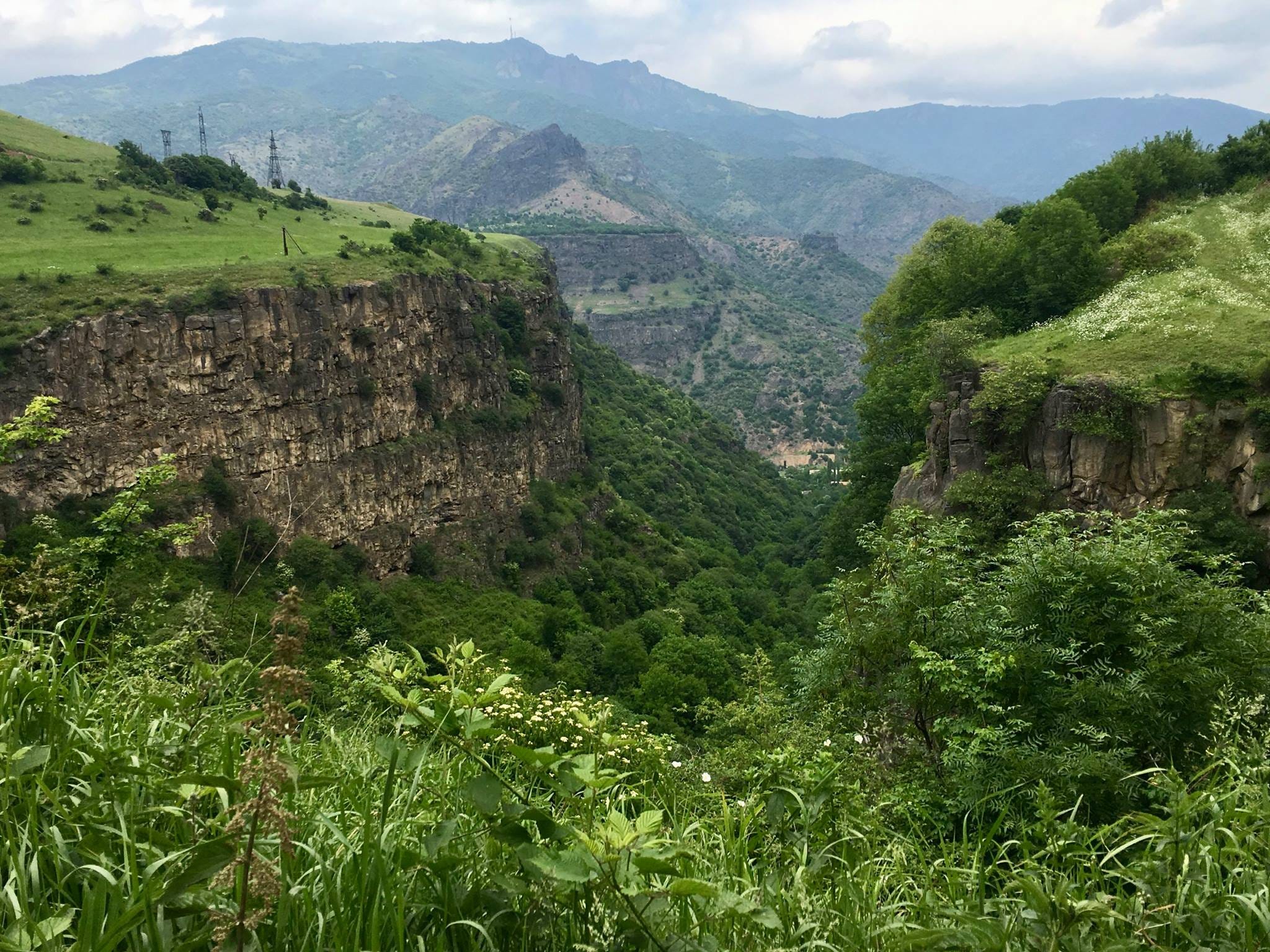
Debed Canyon
As someone who is a sort-of creative (I’m not sure English teaching counts, but travel writing does) who has chosen a life in Taiwan, I guess I just don’t know by what metrics I can measure a successful life. If it includes an ever-upward career, homeownership or an assured retirement, I suppose I am a failure. If, however, it’s measured by what my younger self would have thought if she were told about the life she’d lead, I have succeeded.
Young Jenna would have been very pleased to know that she got so much of what she wanted: a life of travel (maybe not this year, but in general). A Master’s degree. The chance to live abroad. Pretty reasonable fluency in one difficult language and the chance to learn two more just for fun. Writing opportunities that might not make up a career, but are a solid side hustle. Lots of free time. A very successful marriage to an equal partner who does chores (I love my dad but he was never very good at equal division of household labor), works hard and with whom I can talk openly about money. And, of course, with whom I can be open and vulnerable about how damn hard it is for me to do so. A downtown apartment in a city with great public transportation.
For a girl who really thought the only option was an office job, house in a small or suburban town, and kids, and who could not articulate why that depressed her, she’d be delighted. Ecstatic.
The question is, would older me say about younger me’s choices? Of that I’m less sure.
I am certain, though, that Old Jenna will someday look back on her life and at least agree that it was interesting. And she, too, will be delighted that she got to spend three months in Armenia, in a move not many people have the opportunity to undertake.
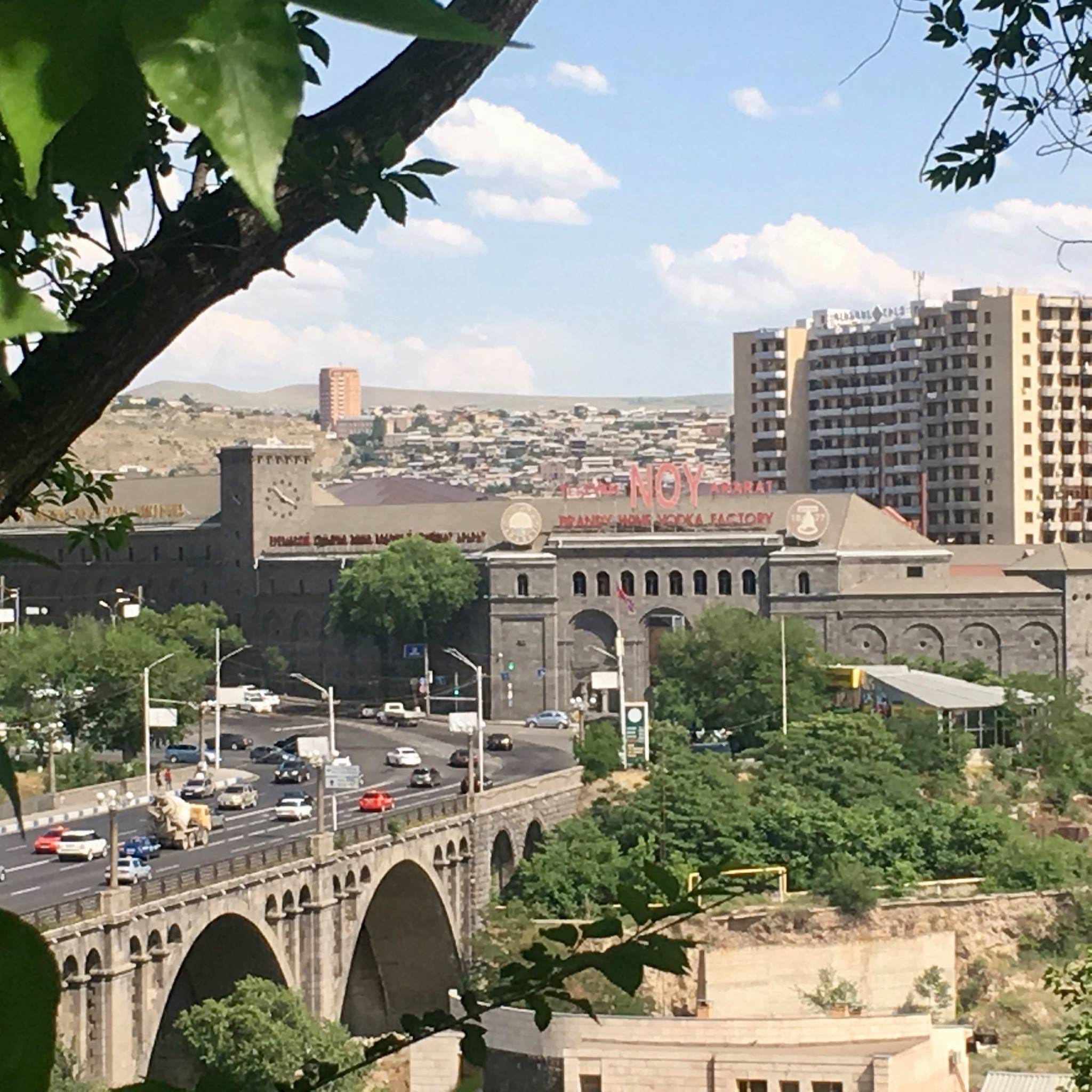
Downtown Yerevan with the Noy distillery
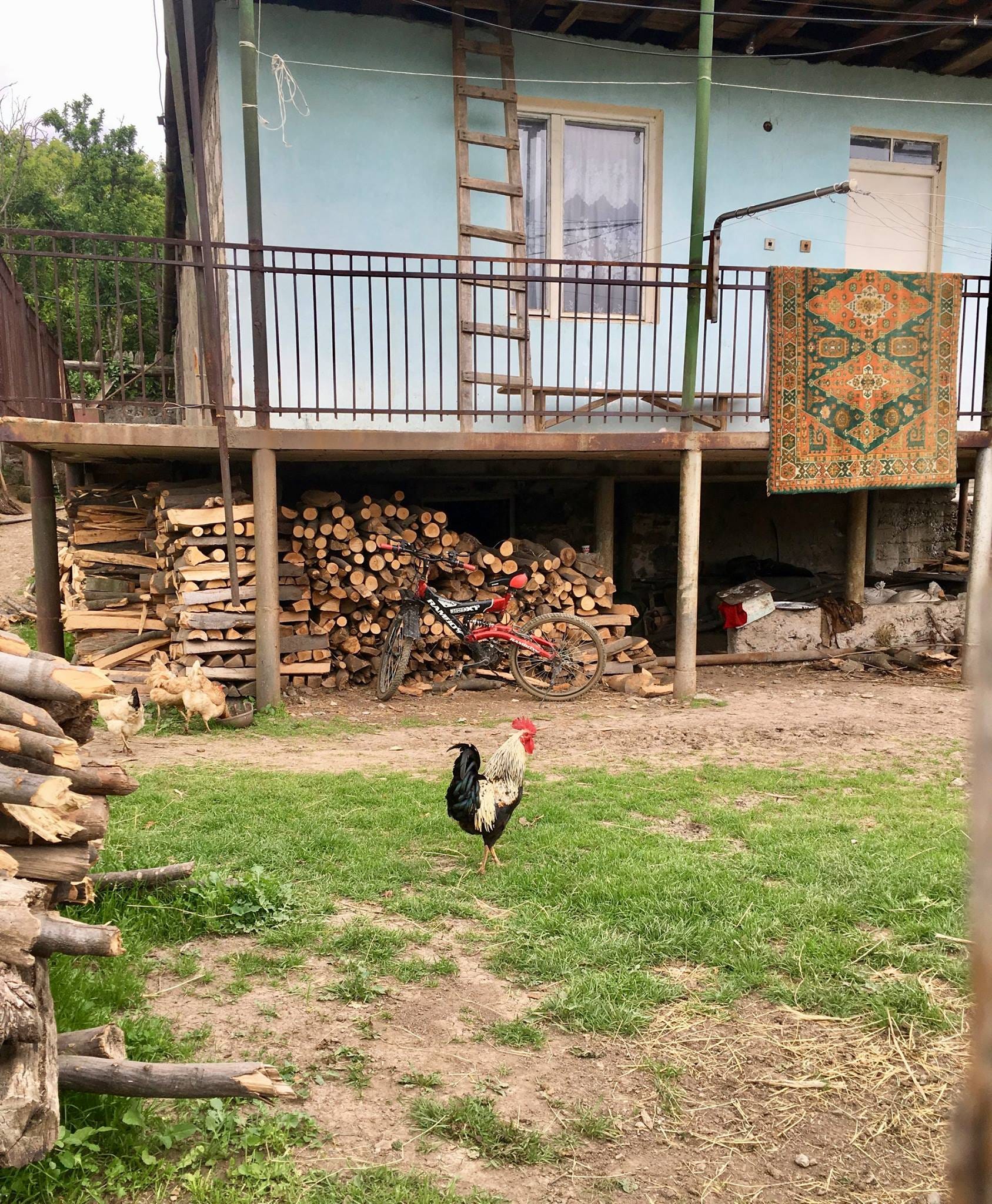
The outskirts of Alaverdi
Are you going for the 7 June election?
https://www.reddit.com/r/armenia/s/FzynsmuE3R