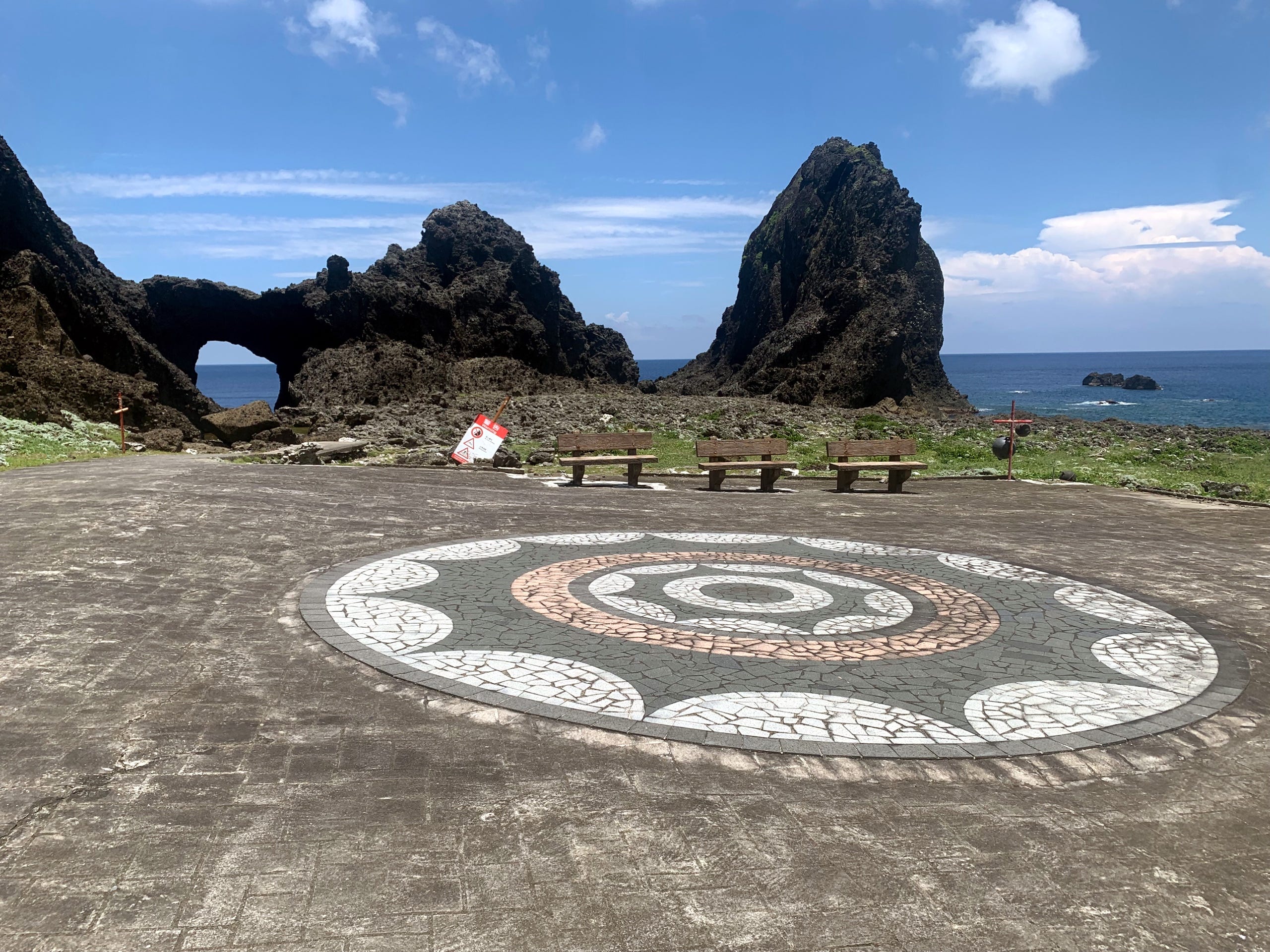
Weather Station
I visited Orchid Island (蘭嶼) for the first time in over a decade. What's changed?

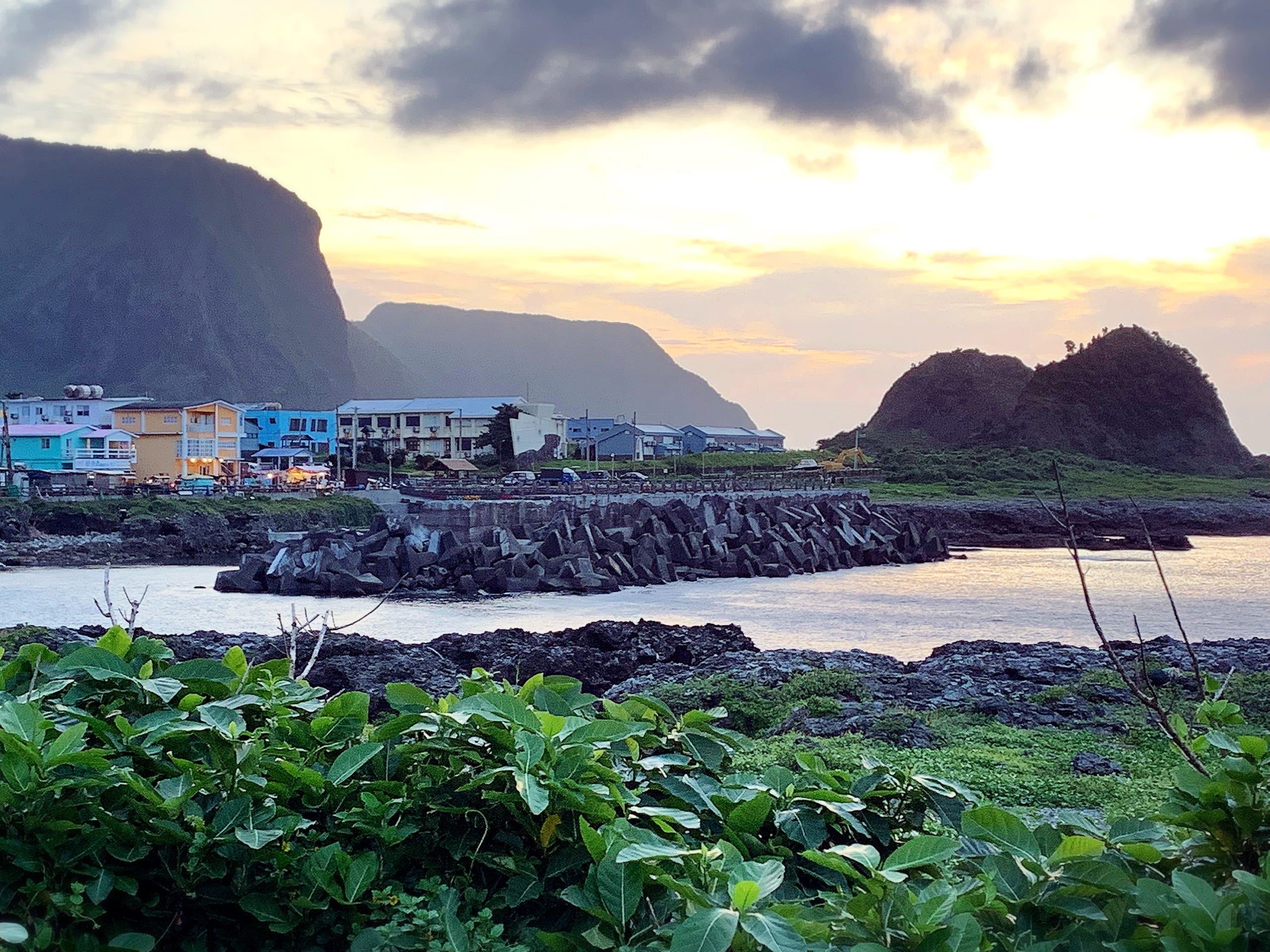
An American woman got off the ferry on Orchid Island with no reservations, no set plans, no international license, and no Mandarin. Off my gourd on extra-strength motion sickness pills and baking under an awning which provided shade but no respite from the heat, I did my best to help her communicate with port staff. They were kind: not required to assist her, but trying anyway. A lot of places are like that, but in my very subjective observation, Orchid Island (Lanyu 蘭嶼, or Pongso no Tao in the Tao language) is especially so.
Despite her stated travel experience, she seemed flummoxed to have wound up in a place that was both safe and developed for tourism, but very inconvenient to visit without sufficient preparation. She had no way of renting a car or scooter; as far as I or the port employees knew, there were no electric options for those lacking an international or Taiwanese license. There’s an essentially useless twice-a-day bus that she was probably going to miss. She had no cell service, and thus no way of contacting her desired accommodation, which hadn’t been booked in advance.
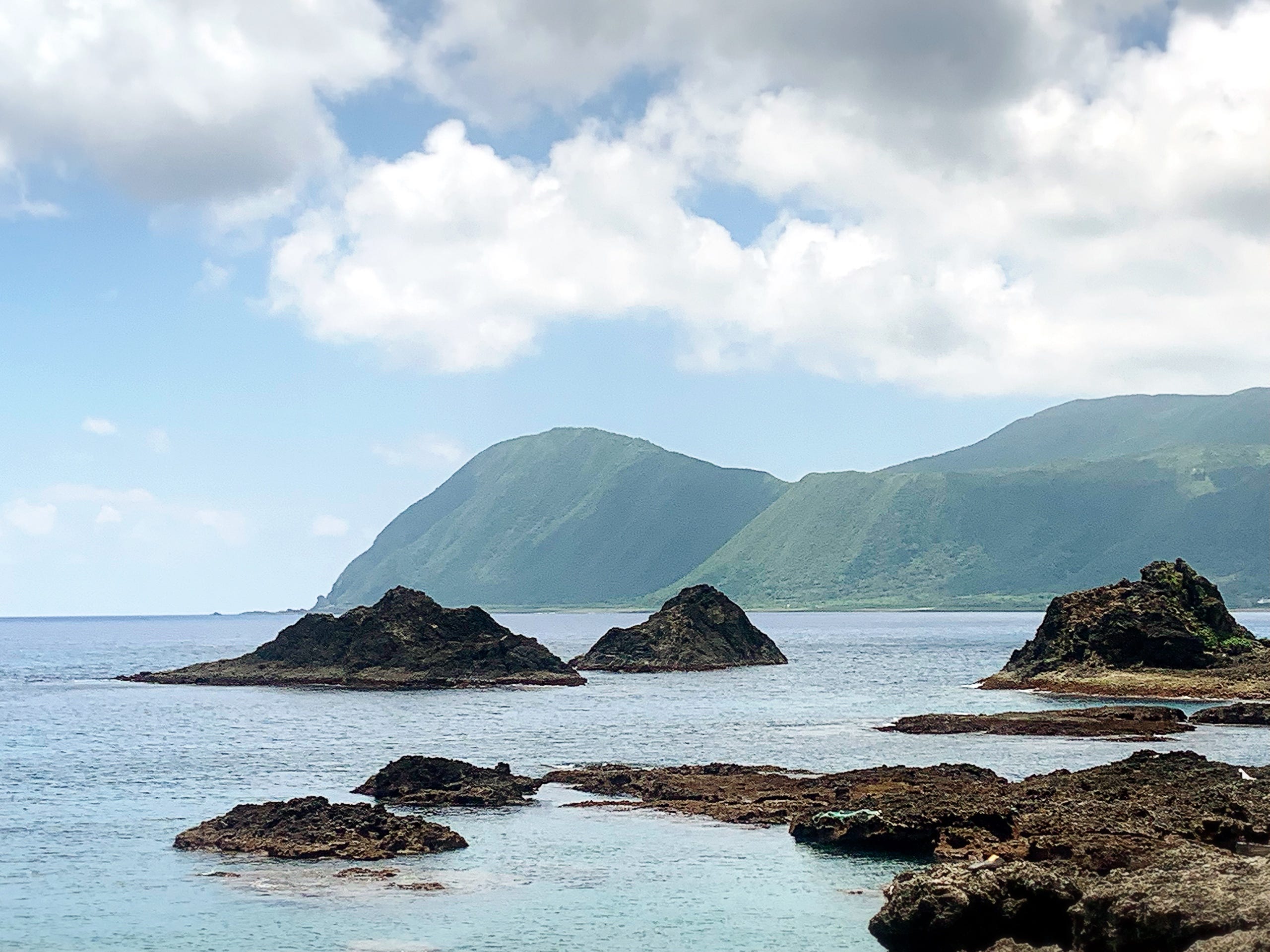
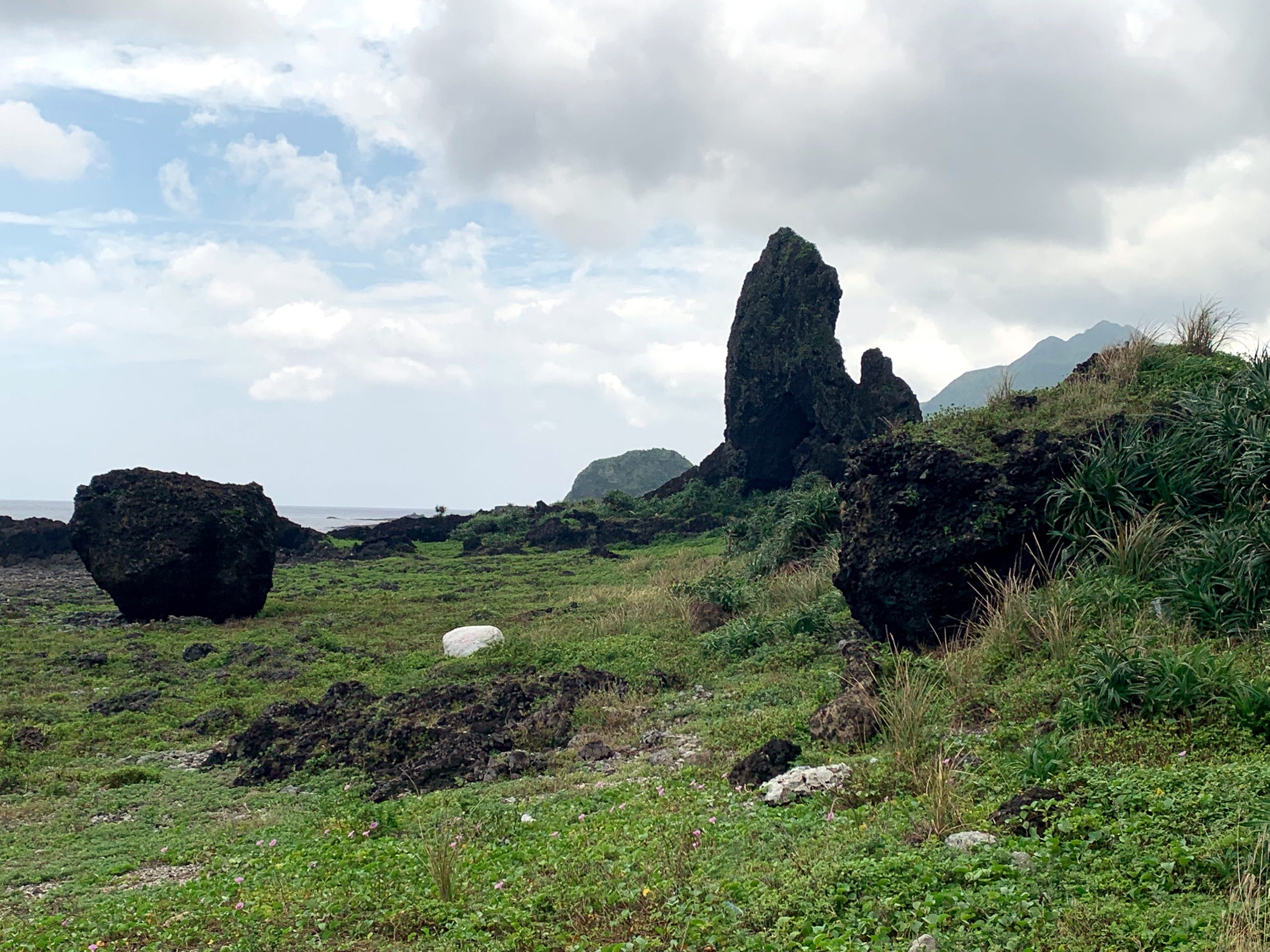
Friends from the US were visiting, and I’d been playing tour guide and interpreter to ensure that they both had fun and came away with a positive impression of Taiwan. The Jenna Tour Service was a one-woman show: Brendan had to stay in Taipei to medicate our terminally-ill cat who is, impossibly, still alive.
This was our first real hiccup — we weren’t even supposed to be at the port. We’d planned on taking the 9:30am ferry in order to make it to Tainan by dinner. We’d been informed when I picked up the tickets in Taitung that due to recent unstable weather, there was only one sailing to and from Orchid Island per day. It was supposed to be at 3pm, landing us in Tainan close to midnight. It was 3:15, the boat was already late. Only we seemed concerned.
I had no cell service either and didn’t know how to help the American traveler, but the employees offered to call for her. I advised her to figure out accommodation and then work out transit, either finding a tour that provided transportation, renting a bike, riding the bus around the island once (and only once, with no stops — that’s how useless it is) or seeking new accommodation near a few places she might be able to walk to. If she couldn’t get to the east coast tonight, I said, stay near the port and figure it out tomorrow. She didn’t like that option very much.
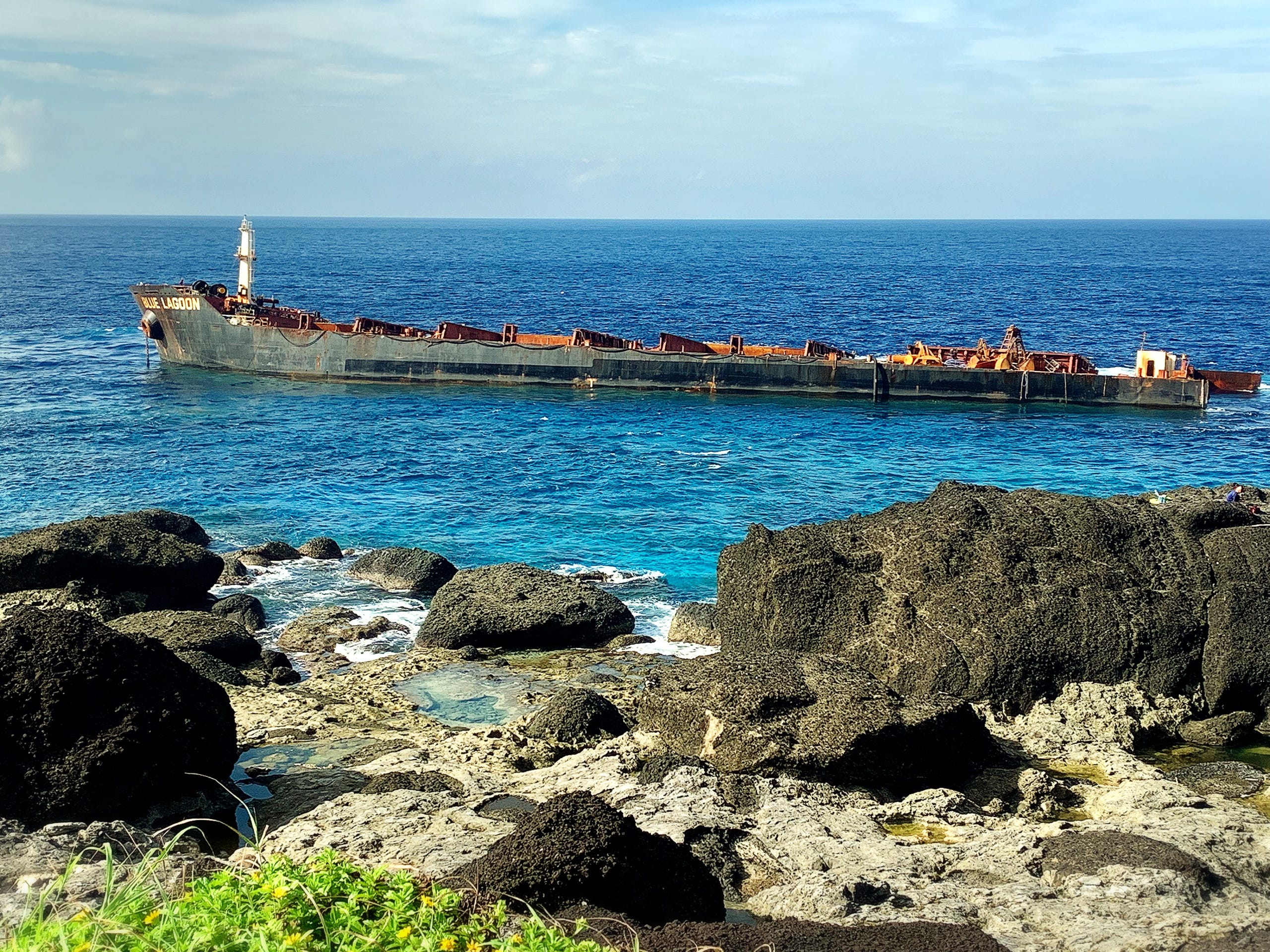
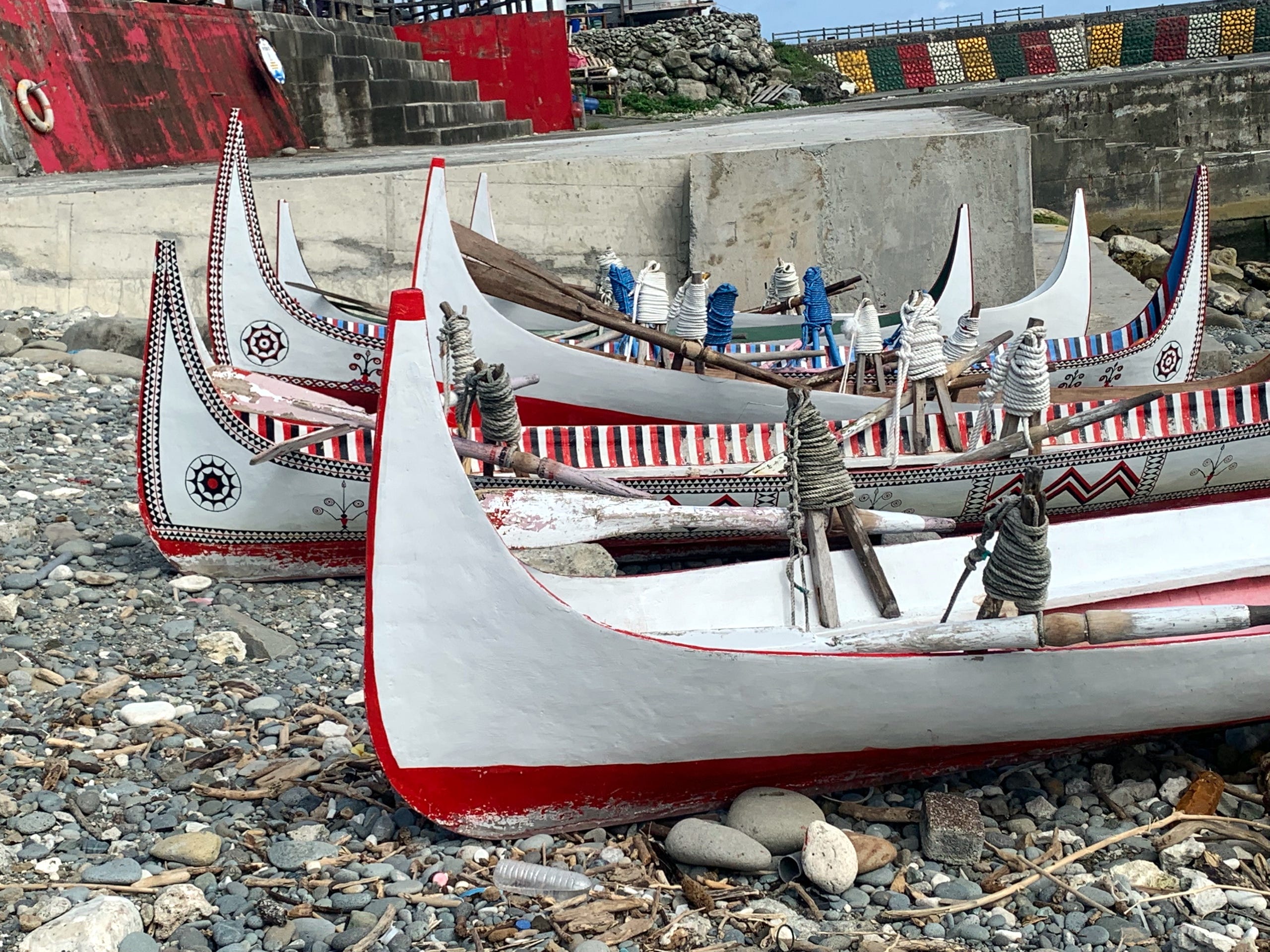
Our line was called for the ferry. I wished her luck as someone helped her call a homestay. My friends had little sympathy for her, but I’ve made some dumb decisions as a traveler, too, and knew that she could have made worse ones. As we pulled away from shore on eerily calm seas, I thought about what might have happened if I’d shown up on Orchid Island with a similar lack of knowledge on my first trip to Orchid Island, over a decade ago.
I’d done some research and spoke intermediate (self-taught) Mandarin at the time, but no scooter skills whatsoever. I now know how to ride a scooter, or at least I’ve successfully practiced riding one, but lack a license. The license didn’t matter in 2012; the hotel owner was happy to hand over the keys until saw my frustration trying to ride down her driveway. In my defense, Brendan was just as bad at it.
She immediately offered (demanded) to rent us a car instead.
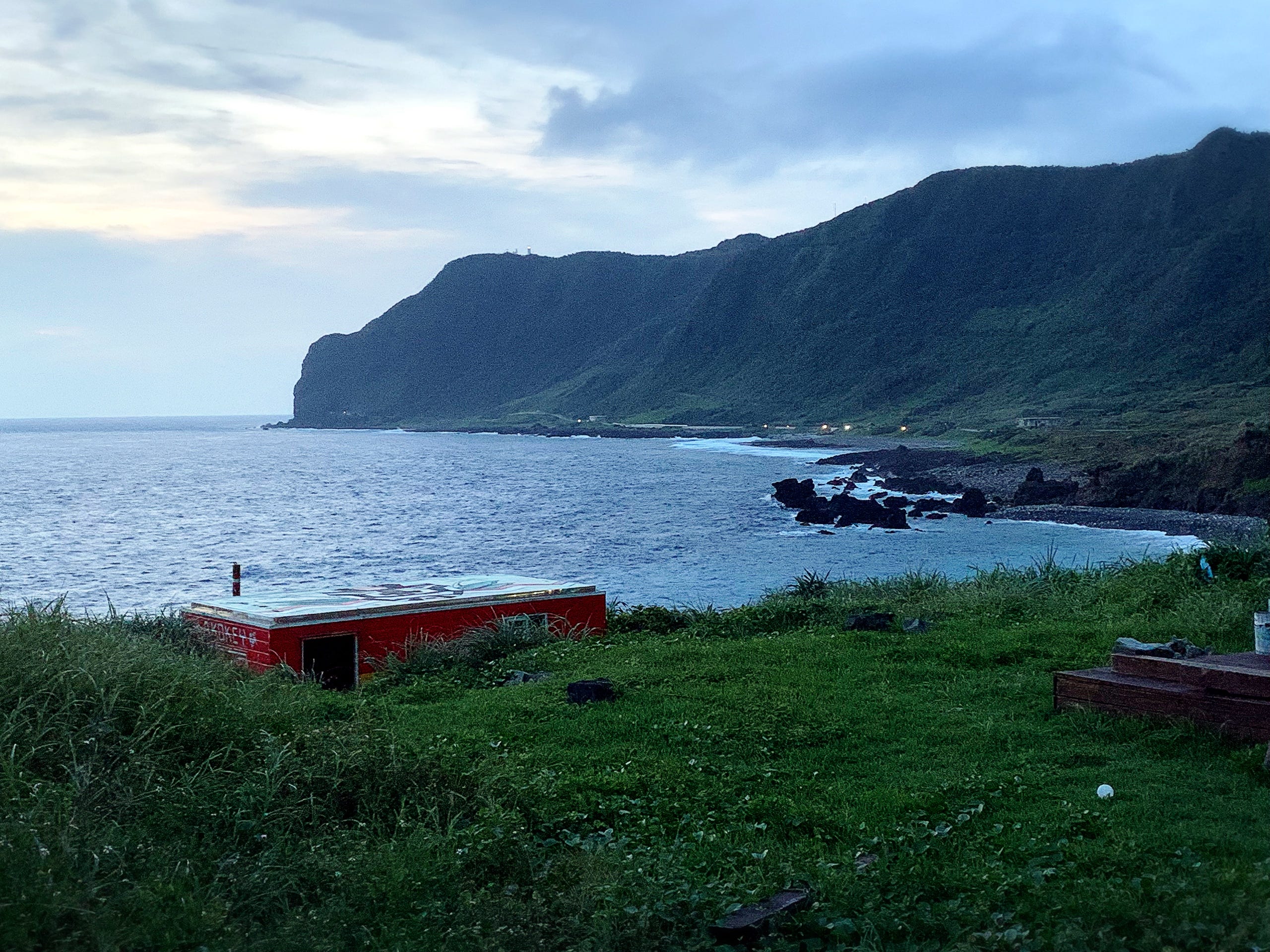
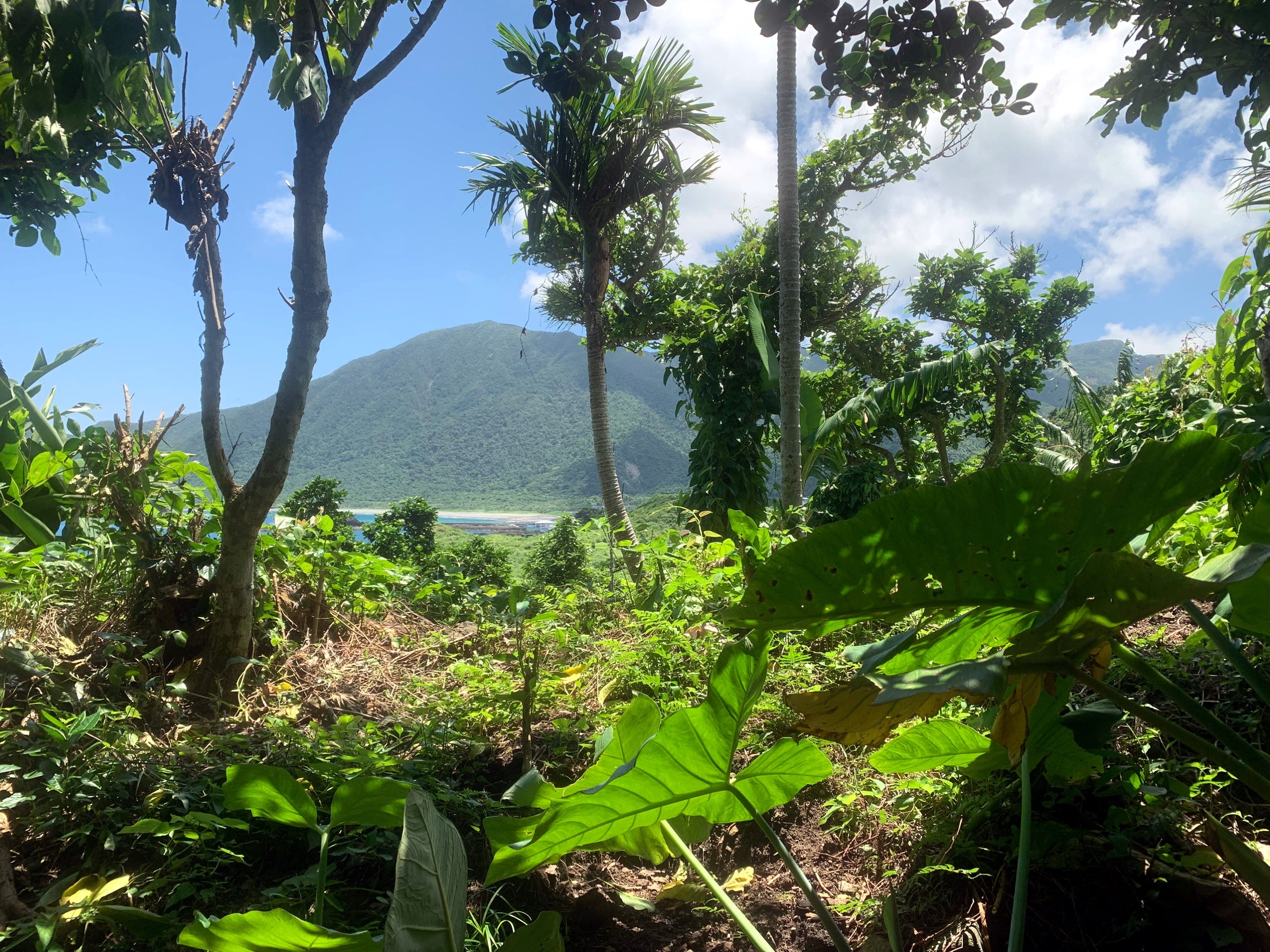
The “car rental” was an old Jeep the color of bird shit, because the outside was covered in bird shit. It cost NT$500 a day, and belonged to some random friend. It was a loaner, really, not a rental.
License? No need. At least one of you can drive, I assume.
Leave it at the ferry with the keys in the ignition, no one will steal it.
Pay the friend in cash. She doesn’t need your names; she’ll find you if she needs to.
In this sense, at least, the unprepared American visitor from last week would have been better off.
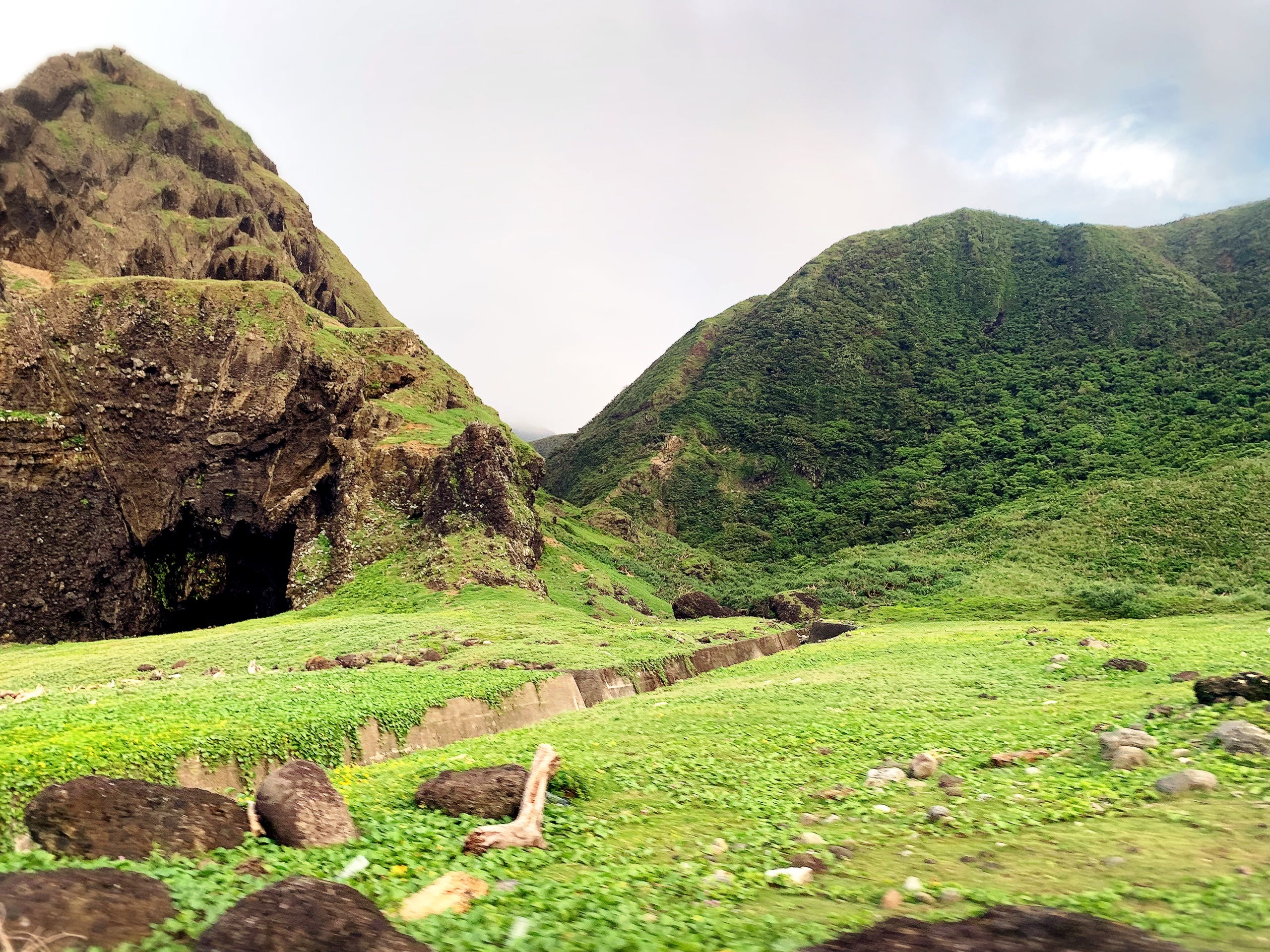
Now, there’s a car rental agency (just one). It’s NT$2300 for 24 hours, and you need an international license. Most people still rent scooters, but you need a license for those too — at least officially. I’d bet there are some homestays willing to score you a loaner, but I’m not certain.
I suppose this counts as improved infrastructure, but it’s made Orchid Island a little more difficult and expensive to visit.
Speaking of infrastructure, my improved Mandarin opened up more chances to chat with people. This was almost always positive, with only one interaction where someone insisted Taiwan is “not a country” (I didn’t argue with them; there are complex reasons why a Tao person might feel that way. Regardless, I didn’t feel like it).
That woman’s friend told me about how they used to have dirt roads and stone and wood houses, then the government came in and told them concrete Taiwanese-style houses were better.
”But they just disintegrate in the weather and flood in typhoons,” she said.
The guide who took us to the Tao underground house where he was born said they were built in such a way that they generally did not flood, did not fall apart, and stayed fairly cool.
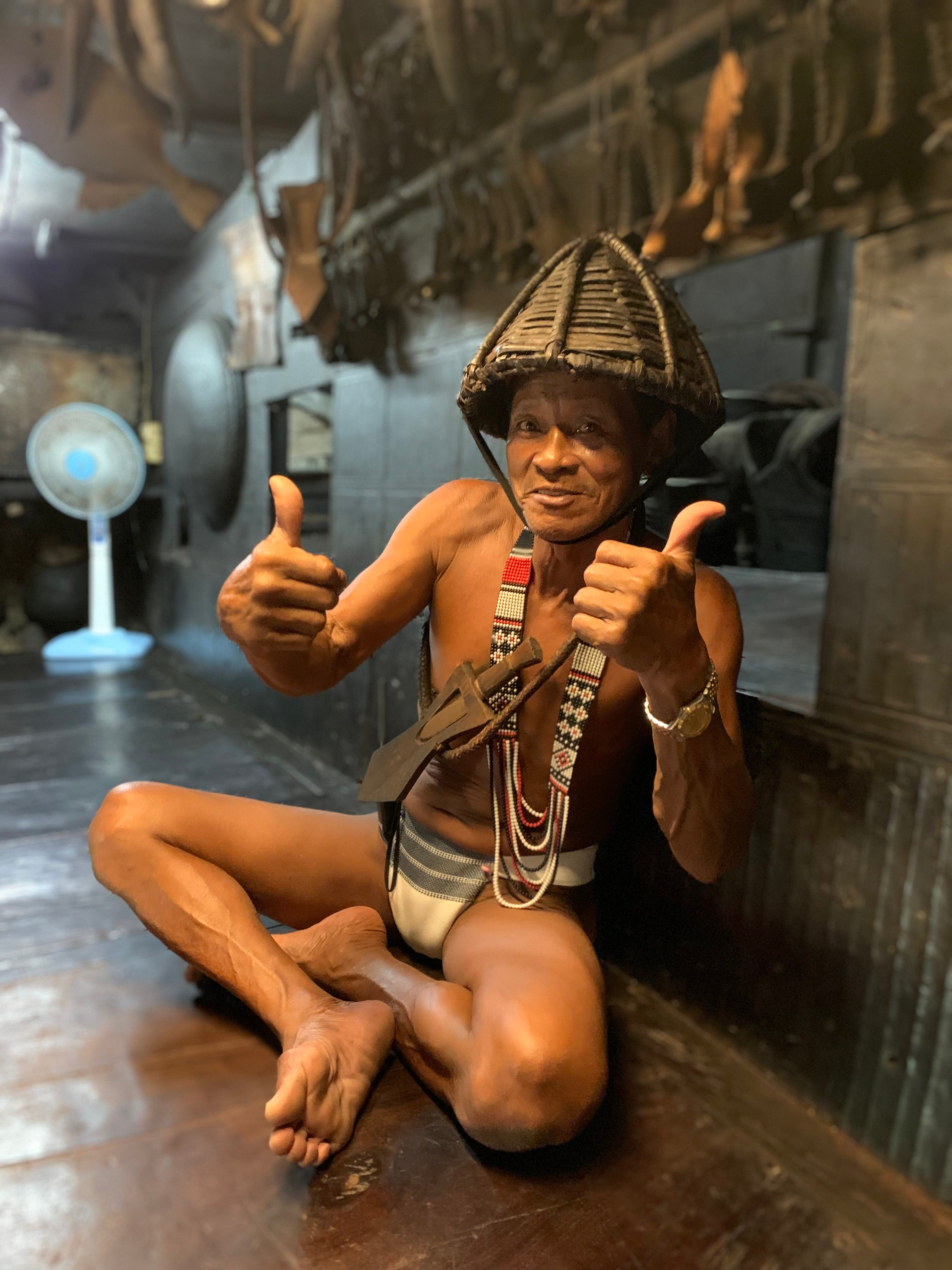
Ah-lun-ge, our underground house guide
I can’t verify objective truth of this, but I can see it: centuries if not millennia of local nature-responsive technology, versus some concrete a few decades old? I know where I’d rather be in a typhoon.
Another said they were happy for the uptick in tourism, mostly from Taiwan (as in the main island) and it’s helped the economy a lot, but were less fond of the “outsiders” (外人, by which she meant Taiwanese) buying up property, building ugly houses and "not respecting the local environment”.
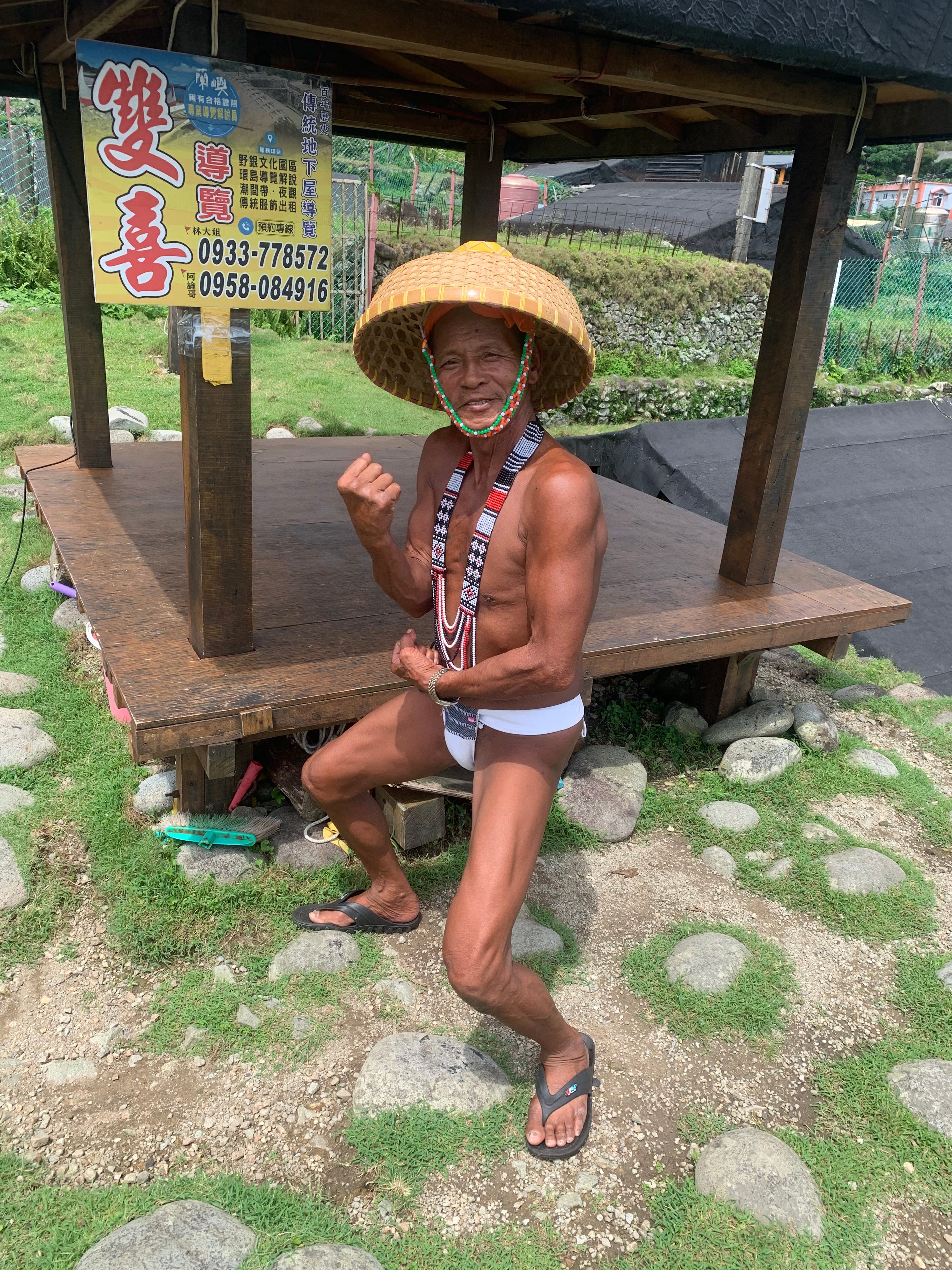
”They open businesses here for the travelers and keep the profits, and Orchid Island doesn’t benefit at all,” she said.
Fortunately, they had only good things to say about our accommodation, Banai Homestay. The owner is a local, not an outsider, they said, and well-liked.
Not everyone maintains strong nostalgia for traditional ways. Our tour guide, Ah-lun-ge (阿論哥) spoke of his wife’s desire to live in one of the ‘new’ houses, despite his lasting affection for the childhood home he’s opened to tourists. He built one for her without complaint, he said, but preferred spending time in the house he was showing us now.
He also showed us some of the traditional headgear for men and women. “These hats,” he said, “we wore them to the anti-nuclear waste protests. If we hadn’t stopped everything to protest, we would never have gotten compensation.”
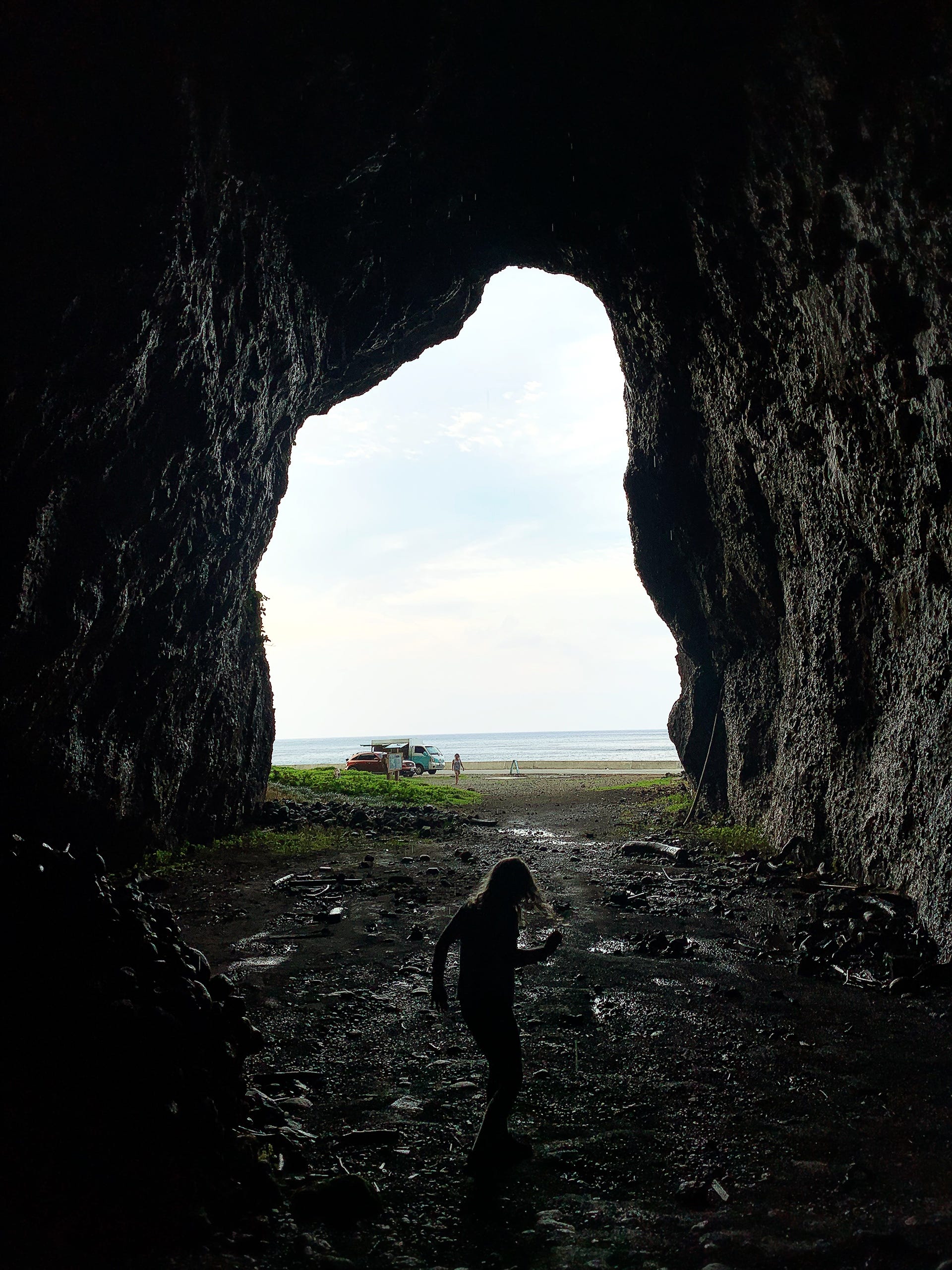
There weren’t souvenir trucks near tourist spots in 2012, but at least the trucks included some handmade items
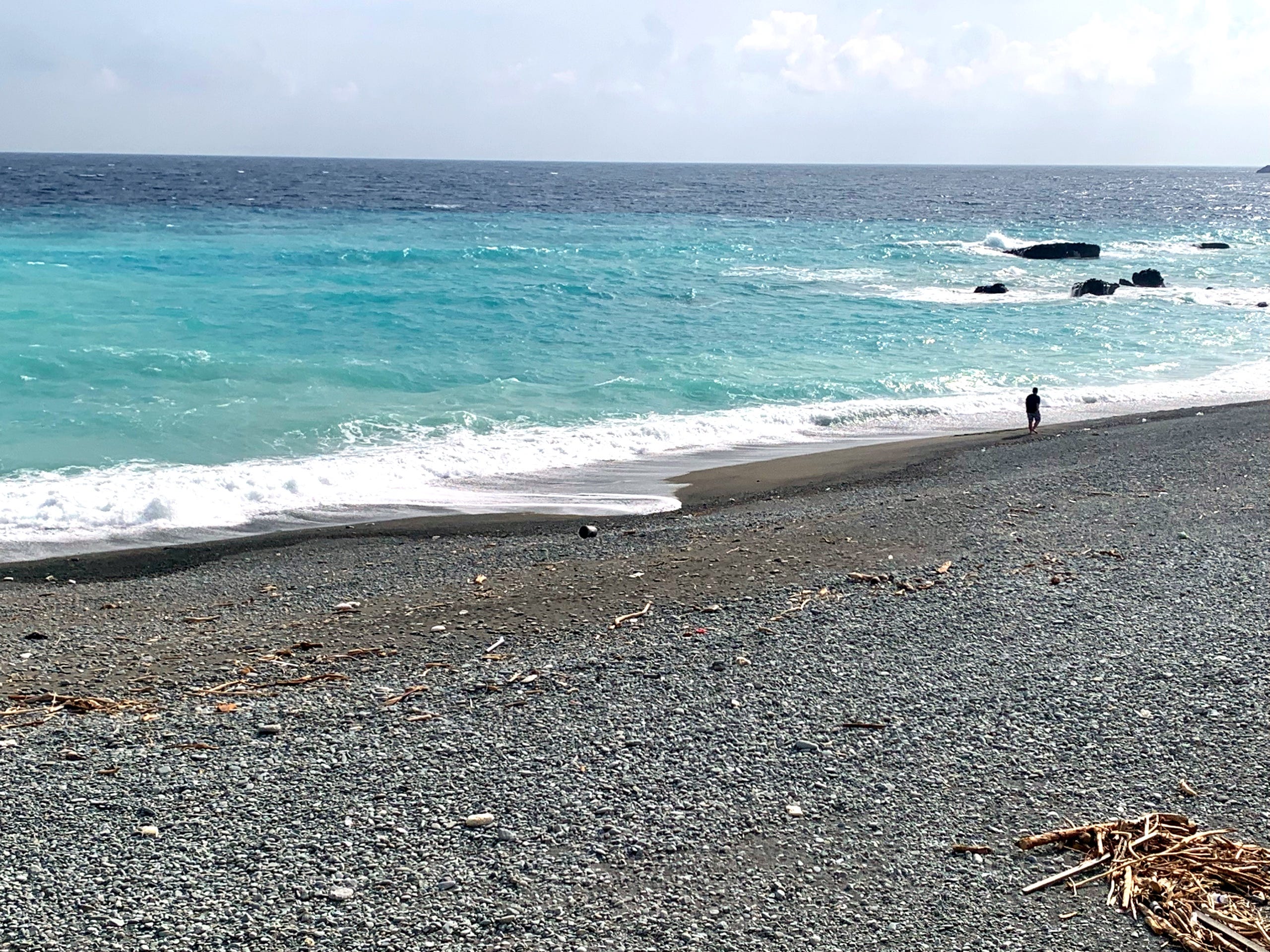
The anti-nuclear waste storage protest signs are mostly gone from Orchid Island; they were everywhere in 2012. I explained the history to my friends after Ah-lun-ge told us about his involvement in the protests, but there were no visual clues to its existence.
I wonder what that American traveler would have thought of them, and what she might have learned about them. The storage site wasn’t just built without Tao consent. Local communities were actively lied to, told everything from it being a defense facility to a pineapple cannery. Political figures such as Sun Yun-hsuan (孫運璿), otherwise admired in Taiwanese history, were the architects of this lie and the cavalier treatment of Tao consent.
As far as I’m aware, the waste is still there — correct me if I’m wrong — but the protests seem to have died down.
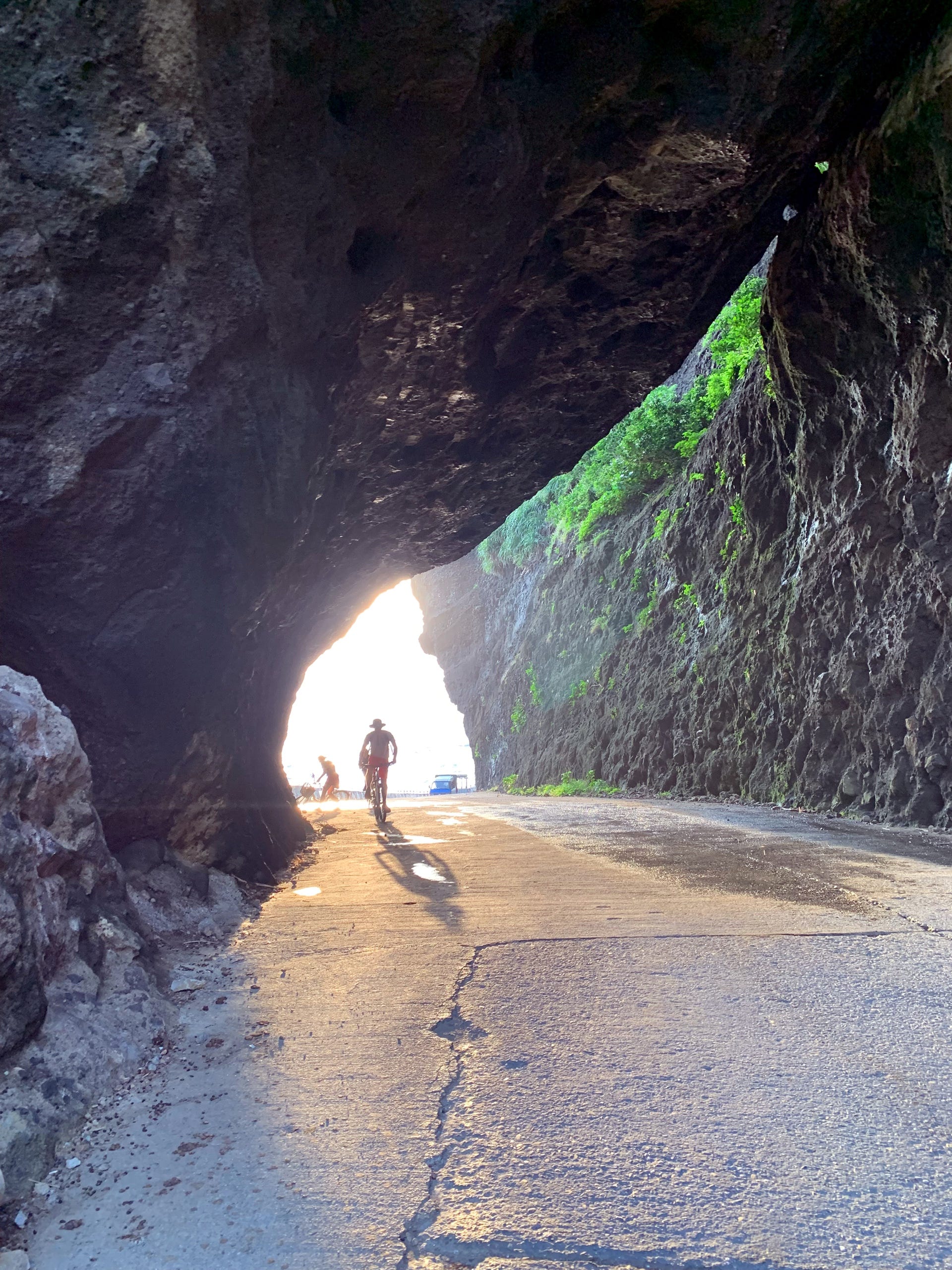
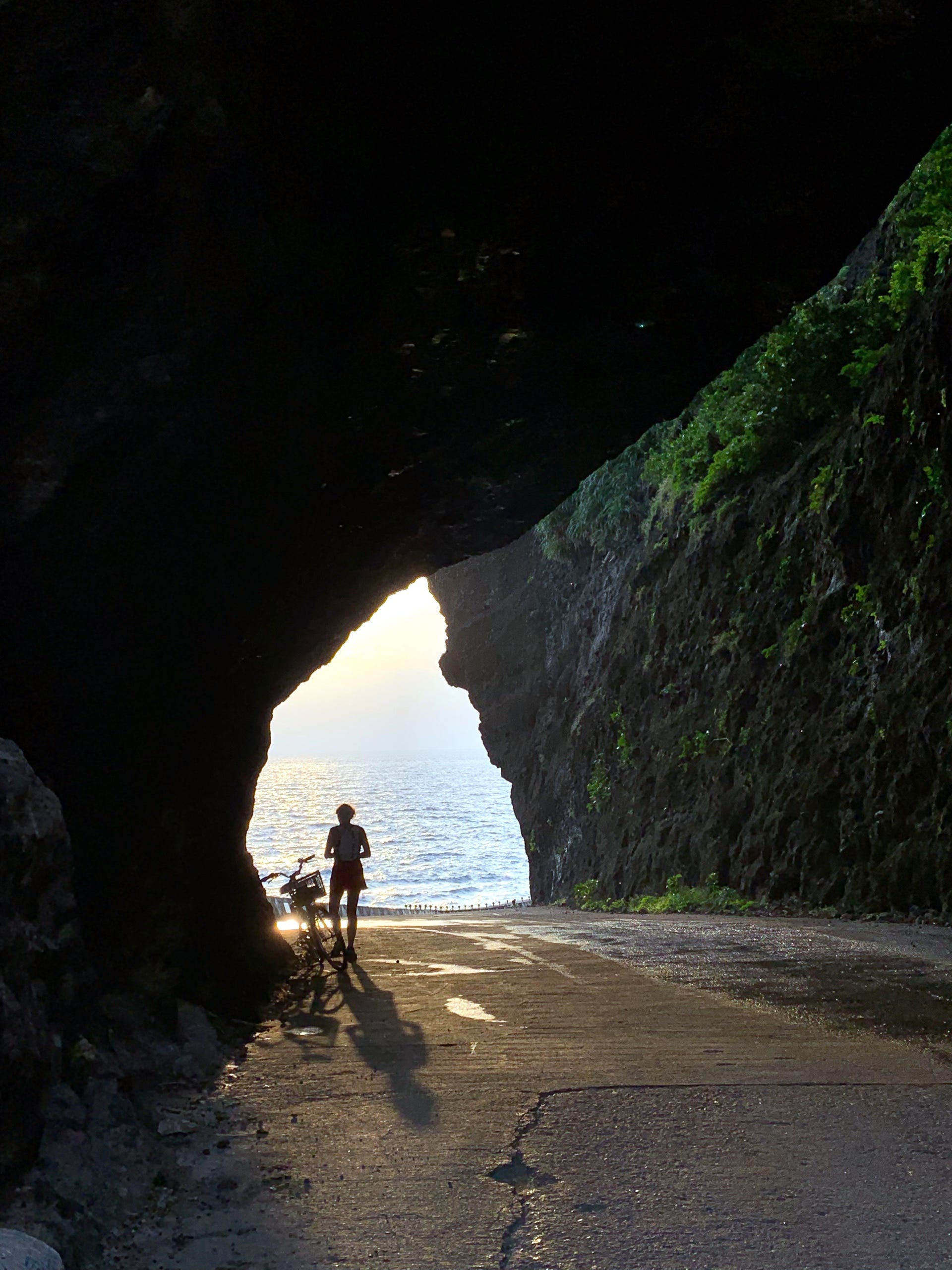
I’ve grown a bit since 2012: I’m not sure I would have been able to translate that underground house tour with my Mandarin capabilities back then. I noticed more Mandarin being spoken overall, especially among young people. In 2012, almost every local we met spoke Tao to each other, and Mandarin to us. In 2025, I heard more Mandarin than Tao. Ah-lun-ge was the exception, speaking Tao to everyone except his clients despite having spent decades running a moving and then construction business in Taoyuan.
”I like both Taiwan and the island,” he said. “Here I can live a peaceful life, see my friends and enjoy my time. But my grandchildren are in Taiwan.”
I’m in no position to judge what language people choose to speak, but I have to admit a twinge of internal sadness that Mandarin seemed, at least to me, to be supplanting Tao. Again, I have no linguistic evidence to offer. I don’t know the whole truth of it. This is what I noticed, nothing more.
I’ll never know if American traveler made it around the island, but I hope she got her loaner vehicle. She expressed interest in visiting the underground houses, but I don’t know if she found a tour in English. I do know, however, that if she was able to stick around, she’d have vastly different food options from what was on offer in 2012.
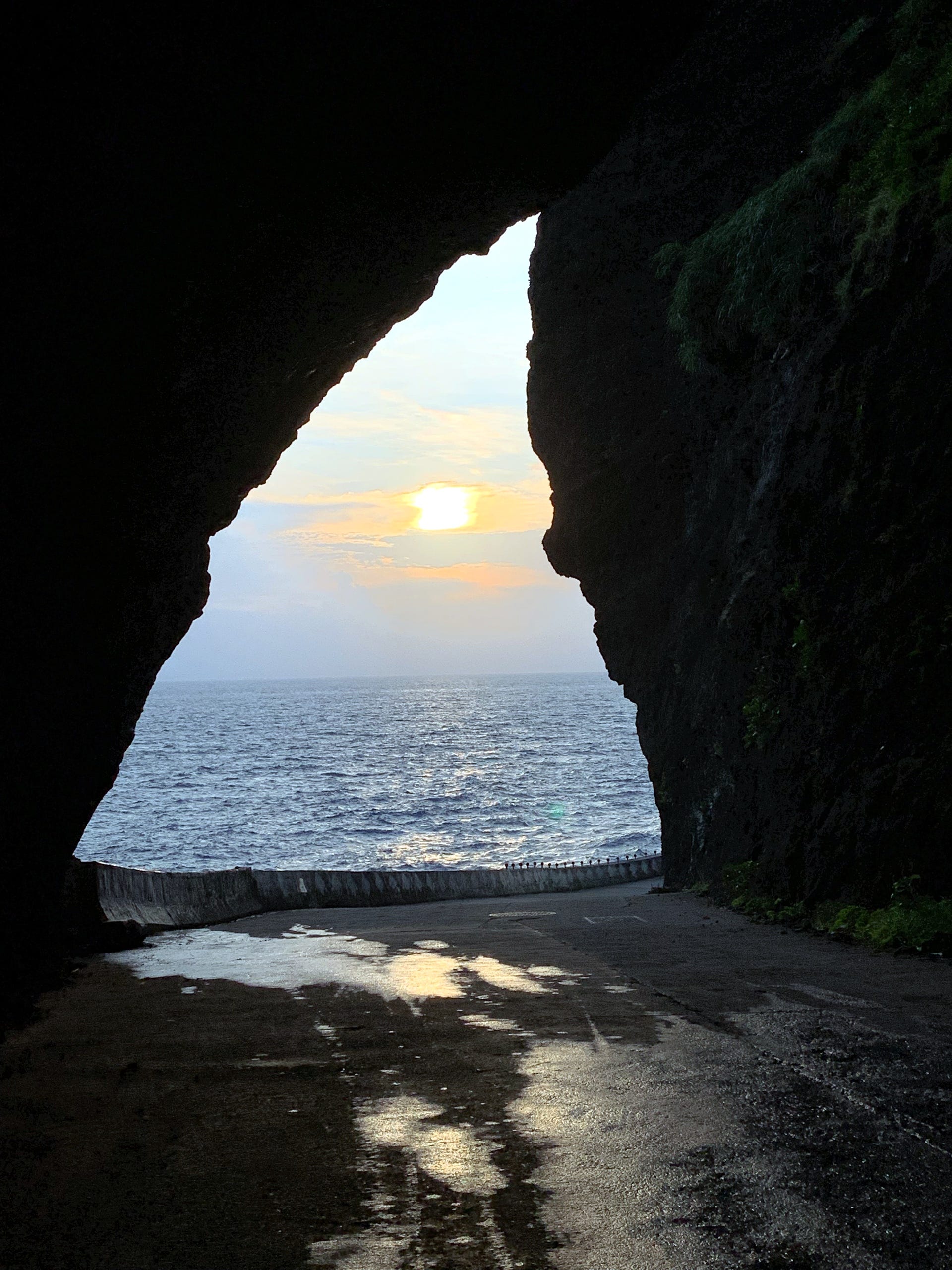
This stretch of road used to have anti-nuclear protest slogans painted on the guardrail. They’re gone now.
We ate almost entirely Taiwanese and local food then. Dried flying fish, taro and beer, or basic fried rice and noodles. Now, there’s a Thai restaurant near the ferry port, a surprisingly good seaside joint with enchiladas and quesadillas in addition to Orchid Island pork and rice, and more than one place with great views, burgers and fries.
These restaurants cater mostly to young Taiwanese travelers, who seem to have found a domestic travel paradise in Orchid Island without the tourist build-up of Kenting (yet). If the locals don’t mind this, I don’t either. The women I chatted with spoke highly of the owner of the Mexican place. If she thinks it’s a good business for Orchid Island, so do I.
In 2012, I would have had no idea which places were locally respected and which weren’t, and I was an idiot so I probably wouldn’t have thought to ask. So I suppose I can ride the tourism wave too as a person who’s gotten older, a little battered by metaphorical inclement weather since 2016 as we all have, but has tried to a more thoughtful person than she was.
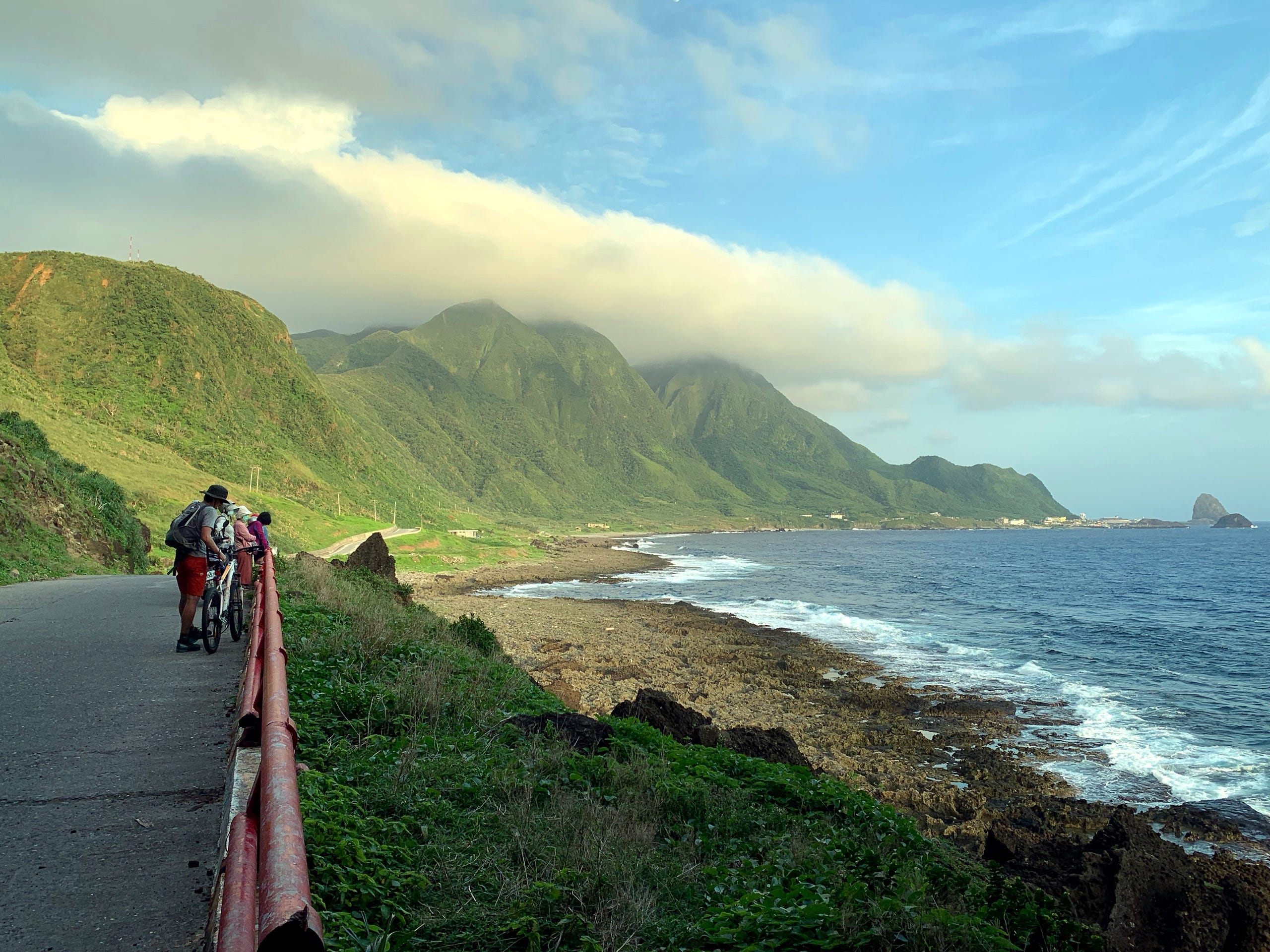
As far as I could tell, the Taiwanese tourists were respectful of local norms: don’t take pictures of people, fishing activities, boats at sea or underground houses without permission. Don’t swim, snorkel, or touch any boats without asking. In fact, I’d recommend not snorkeling without a group at all, as the waves can be rough.
There were more foreigners, too. Beyond the just-arrived American, a group of Europeans arrived at our hotel, and I saw a foreign guy at the Thai restaurant. The young employees of Banai clearly spoke English, which was not the case with our hotel in 2012. Back then, I didn’t see a single other foreigner, although I know many had been. That hotel owner said there was one staying in a different part of the island, which shows how interconnected the communities were and are.
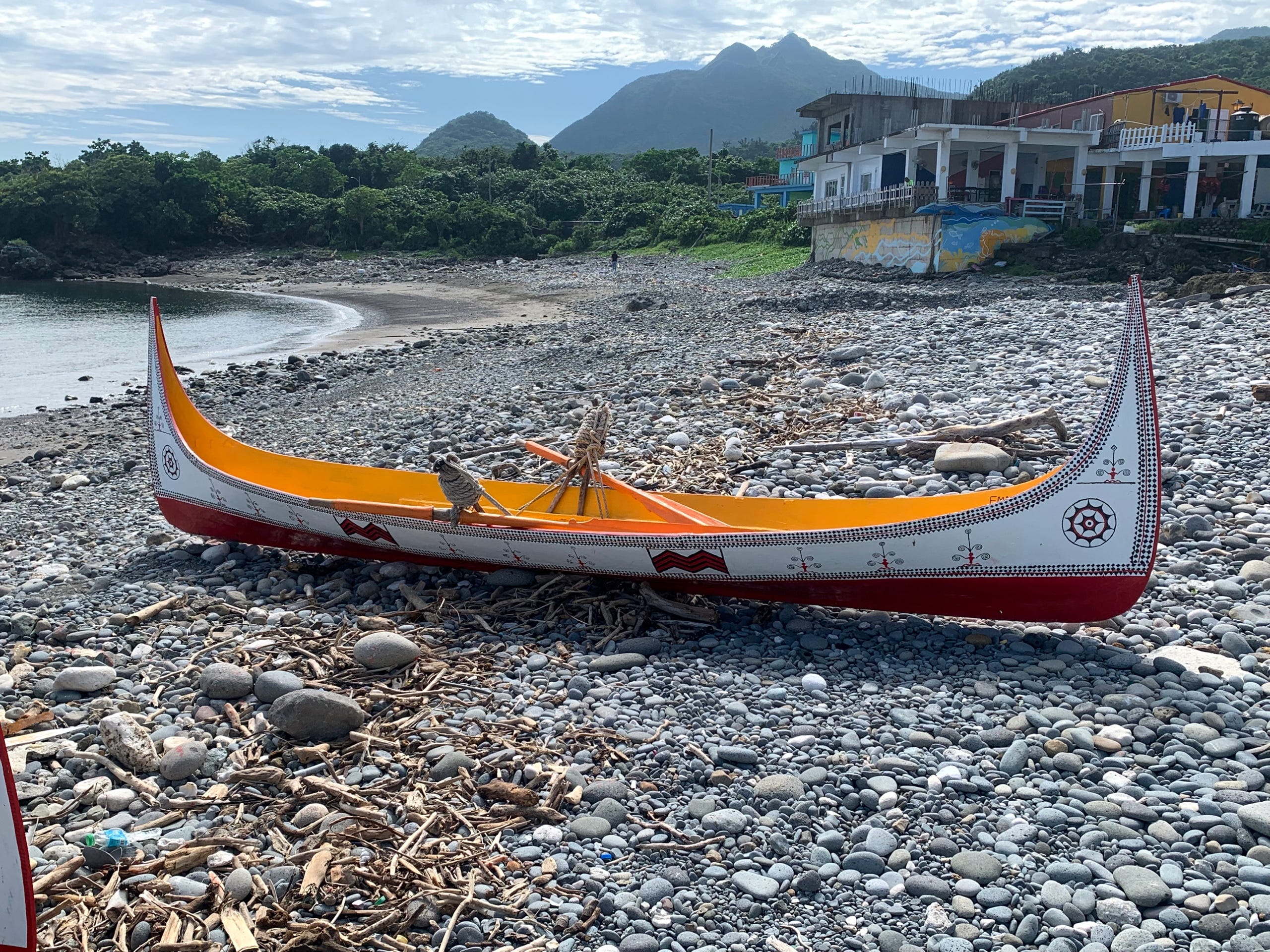
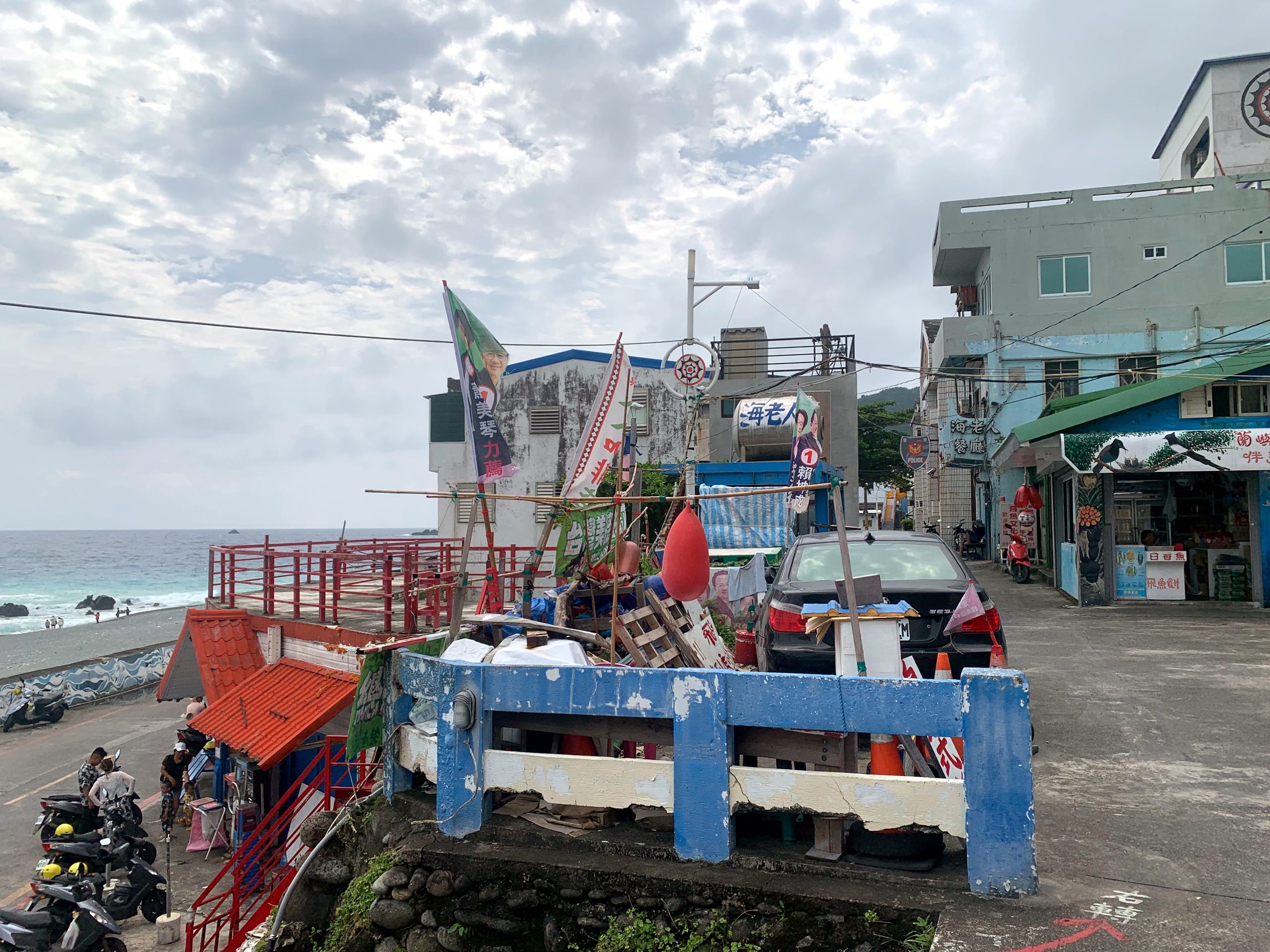
Our last stop on the island was the Lanyu Weather Station, a popular but tiring-looking hike that, in a Honda rather than a bird shit-gray Jeep, is also a mildly terrifying drive. In 2012 we hung out up here for at least an hour, enjoying the view across both sides of the island from the little stone picnic table. No one else had been there; it was us, waves lapping against two coasts, and all the tiny lizards.
The weather station in 2025 hosted many tourists, mostly hikers as scooters would struggle to make it up that hill. It felt different, I felt different. My travel companions were different. Orchid Island was different, life was different. The weather has been unstable recently, and I’m not the only one who’s noticed.
I didn’t get out of the car at the weather station, because I wasn’t feeling well. I don’t know if it was the heat, which was definitely not the weather I remembered, or just my body getting older.
Orchid Island, however, hadn’t changed all that much. In 2012 and now, it’s a rare place that is both unbelievably stunning, friendly, and safe. By safe I mean that if you accidentally left your wallet somewhere, it’s likely to come back to you before you even knew it was missing. It’s a little more difficult to visit now that homestay owners don’t hand you the keys to bird shit Jeeps with far too few questions, but a little tourist infrastructure hasn’t changed Orchid Island’s fundamental nature.
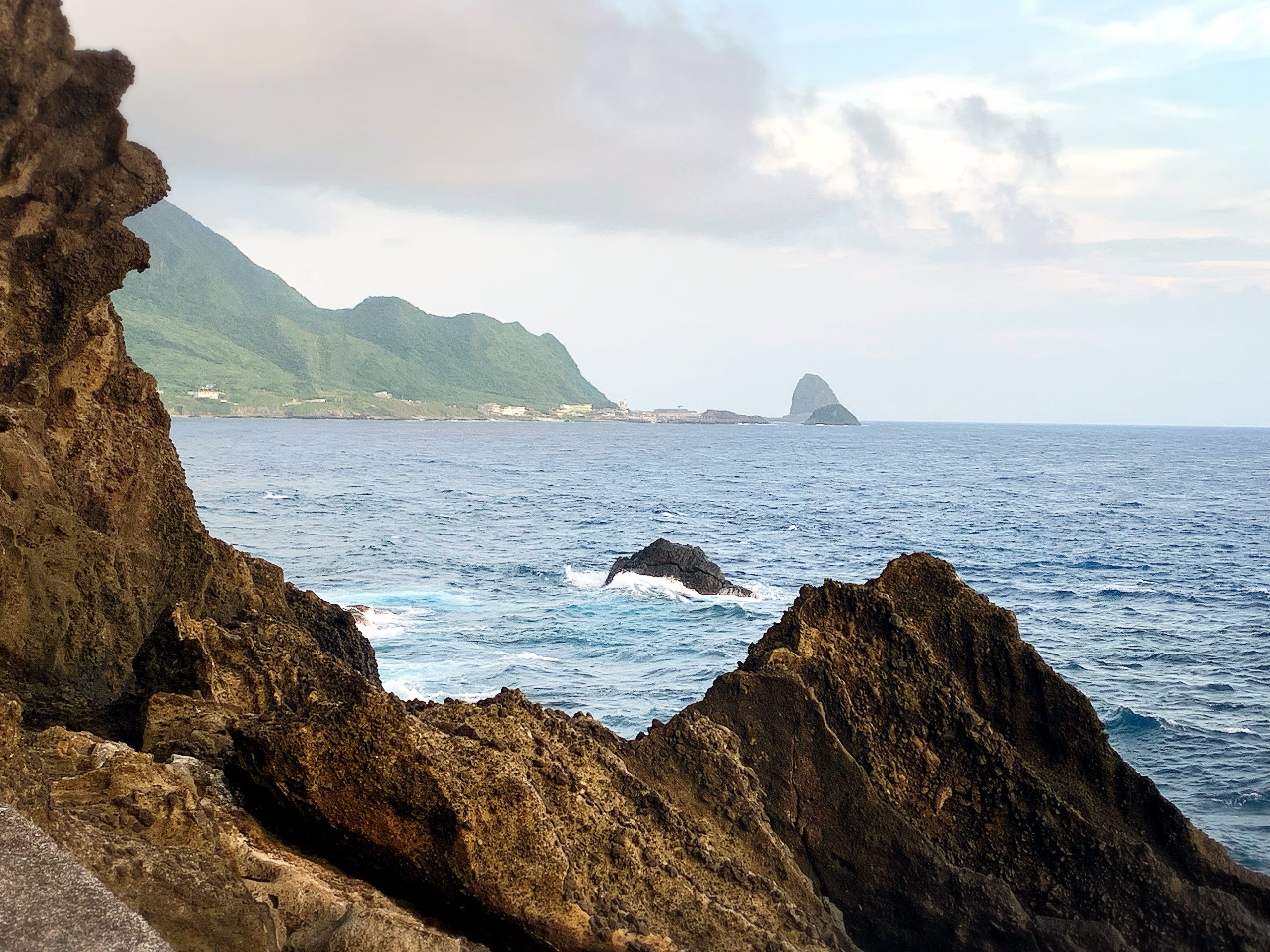
The view was the same, too: stunning, the island’s mountains still lush and verdant, the sea still an impossible, perfect cyan.